×
- Hello
- Login or Register
- Quick Links
- Live Chat
- Track Order
- Parts Availability
- RMA
- Help Center
- Contact Us
- Shop for
- Volvo Parts

My Garage
My Account
Cart
Genuine Volvo Brake Caliper
Caliper- Select Vehicle by Model
- Select Vehicle by VIN
Select Vehicle by Model
orMake
Model
Year
Select Vehicle by VIN
For the most accurate results, select vehicle by your VIN (Vehicle Identification Number).
109 Brake Calipers found
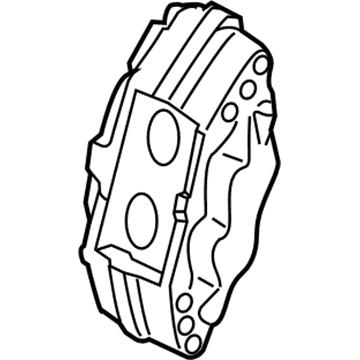
Volvo Caliper, Driver Side Part Number: 8602682
$600.12 MSRP: $804.45You Save: $204.33 (26%)Ships in 1-2 Business DaysProduct Specifications- Other Name: Brake Caliper, 2508; Caliper
- Position: Driver Side
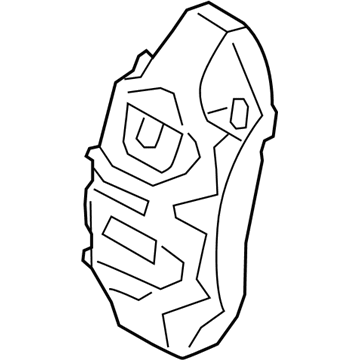
Volvo Caliper, Passenger Side Part Number: 36013026
$1057.16 MSRP: $1419.24You Save: $362.08 (26%)Ships in 1-2 Business DaysProduct Specifications- Other Name: Brake Caliper; Caliper
- Position: Passenger Side
Volvo Caliper, Driver Side Part Number: 36013025
$1057.16 MSRP: $1419.24You Save: $362.08 (26%)Ships in 1-2 Business DaysProduct Specifications- Other Name: Brake Caliper; Caliper
- Position: Driver Side
- Replaces: 36003271, 36010539
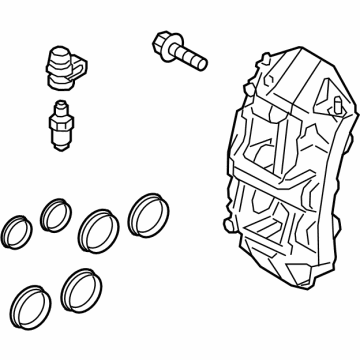
Volvo Caliper, Passenger Side Part Number: 36003354
$1057.16 MSRP: $1419.24You Save: $362.08 (26%)Ships in 1-2 Business DaysProduct Specifications- Other Name: Brake Caliper; Caliper
- Position: Passenger Side
Volvo Caliper, Driver Side Part Number: 36003353
$1057.16 MSRP: $1419.24You Save: $362.08 (26%)Ships in 1-2 Business DaysProduct Specifications- Other Name: Brake Caliper; Caliper
- Position: Driver Side
Volvo Caliper, Passenger Side Part Number: 36003269
$1057.16 MSRP: $1419.24You Save: $362.08 (26%)Ships in 1-2 Business DaysProduct Specifications- Other Name: Brake Caliper; Caliper
- Position: Passenger Side
Volvo Caliper, Driver Side Part Number: 36003268
$1057.16 MSRP: $1419.24You Save: $362.08 (26%)Ships in 1-2 Business DaysProduct Specifications- Other Name: Brake Caliper; Caliper
- Position: Driver Side
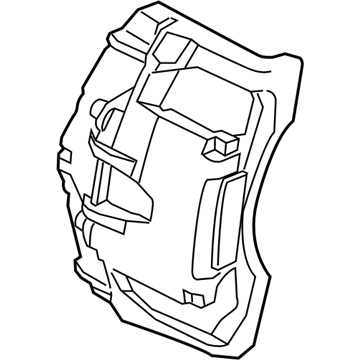
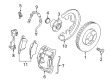
Volvo Caliper, Passenger Side Part Number: 36012492
$1189.04 MSRP: $1596.63You Save: $407.59 (26%)Ships in 1-2 Business DaysProduct Specifications- Other Name: Brake Caliper; Caliper
- Position: Passenger Side
Volvo Caliper, Driver Side Part Number: 36012491
$1189.04 MSRP: $1596.63You Save: $407.59 (26%)Ships in 1-2 Business DaysProduct Specifications- Other Name: Brake Caliper; Caliper
- Position: Driver Side
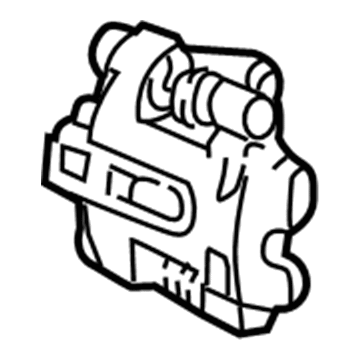
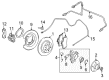
Volvo Caliper Part Number: 9209730
$306.82 MSRP: $405.84You Save: $99.02 (25%)Ships in 1-2 Business DaysProduct Specifications- Other Name: Brake Caliper
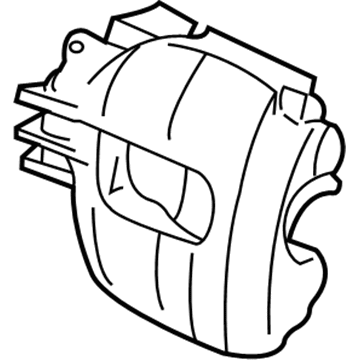
Volvo Caliper, Driver Side Part Number: 8252177
$413.84 MSRP: $544.64You Save: $130.80 (25%)Ships in 1-2 Business DaysProduct Specifications- Other Name: Brake Caliper; Caliper
- Position: Driver Side
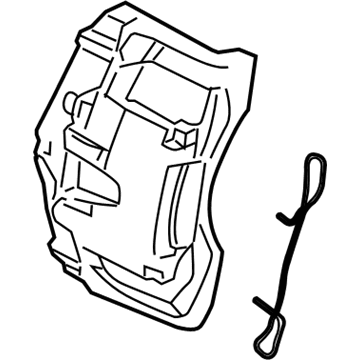
Volvo Caliper, Driver Side Part Number: 36012490
$413.84 MSRP: $544.64You Save: $130.80 (25%)Ships in 1-2 Business DaysProduct Specifications- Other Name: Brake Caliper; Caliper
- Position: Driver Side
Volvo Caliper, Passenger Side Part Number: 36012489
$413.84 MSRP: $544.64You Save: $130.80 (25%)Ships in 1-2 Business DaysProduct Specifications- Other Name: Brake Caliper; Caliper
- Position: Passenger Side
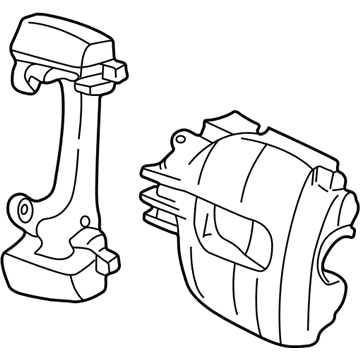
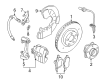
Volvo Caliper, Passenger Side Part Number: 8602858
$442.01 MSRP: $581.89You Save: $139.88 (25%)Ships in 1-2 Business DaysProduct Specifications- Other Name: Brake Caliper; Caliper
- Position: Passenger Side
Volvo Caliper, Driver Side Part Number: 8602857
$442.01 MSRP: $581.89You Save: $139.88 (25%)Ships in 1-2 Business DaysProduct Specifications- Other Name: Brake Caliper; Caliper
- Position: Driver Side
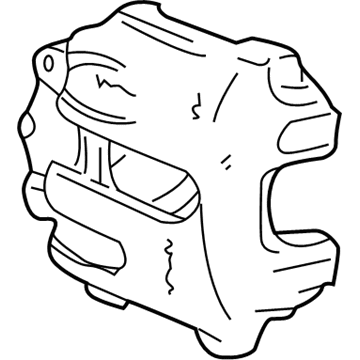
Volvo Caliper, Passenger Side Part Number: 3516841
$179.19 MSRP: $235.07You Save: $55.88 (24%)Ships in 1-2 Business DaysProduct Specifications- Other Name: Brake Caliper; Caliper
- Position: Passenger Side
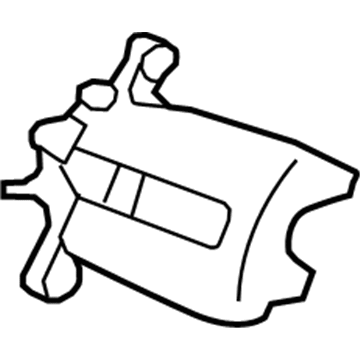
Volvo Caliper, Passenger Side Part Number: 8603723
$201.24 MSRP: $263.42You Save: $62.18 (24%)Ships in 1-2 Business DaysProduct Specifications- Other Name: Brake Caliper; Caliper
- Position: Passenger Side
Volvo Caliper, Driver Side Part Number: 8603722
$201.24 MSRP: $263.42You Save: $62.18 (24%)Ships in 1-2 Business DaysProduct Specifications- Other Name: Brake Caliper; Caliper
- Position: Driver Side
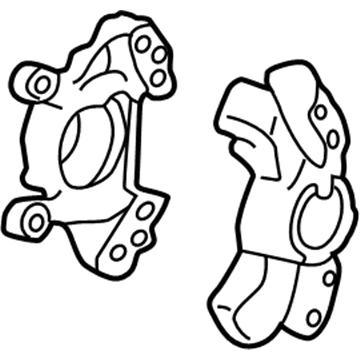
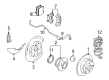
Volvo Caliper Assembly, Driver Side Part Number: 5003814
$201.24 MSRP: $263.42You Save: $62.18 (24%)Ships in 1-2 Business DaysProduct Specifications- Other Name: Brake Caliper; Caliper, Caliper Assembly
- Position: Driver Side
Volvo Caliper, Passenger Side Part Number: 8602683
Product Specifications- Other Name: Brake Caliper; Caliper
- Position: Passenger Side
| Page 1 of 6 |Next >
1-20 of 109 Results
Volvo Brake Caliper
The Volvo Brake Caliper translates the pressure of your pedal into strong and controlled stopping power to give every Volvo driver confidence on busy roads. Founded in Gothenburg in 1927, Volvo has always been a combination of Scandinavian design and a profound dedication to safety, pioneering the three-point seat belt and continually perfecting clean styling, simple controls, and intelligent hybrid powertrains. Whether hauling passengers in a well-heeled sedan, a family SUV, or an effective truck, Volvo focuses on predictable handling, efficient braking, and low environmental impact values that have helped the Swedish brand to attract trust worldwide. Drivers love the way Volvo combines robust construction with new technology electric assistance that makes daily travel comfortable, environmentally friendly, and safe. Central to that secure feel is the Brake Caliper sitting at each wheel turning the hydraulic pressure into precise clamping of the pads against the rotor. A fixed version has opposed pistons to provide firm pedal feel and a floating Brake Caliper which saves weight by sliding on pins that drag the outer pad into the disc. Careful sealing helps keep moisture away in order to ensure that the Brake Caliper can move freely and prevent uneven wear, pulling, or overheating so that the stopping of all products can be smooth. By combining advanced vehicle engineering with a reliable braking heart, the system works harmoniously with the brand's greater mission of safety and control.
Trust OEM Brake Caliper for quality that holds up. These parts use top-tier materials to keep your ride running smooth. Because they match exact Volvo specs, you get a flawless fit and a hassle-free install every single time. No more fighting with parts that just won't line up. It is easy to search our massive stock of genuine Volvo options at prices you will really like. Every part comes with a real manufacturer's warranty and a simple return policy. Plus, we ship fast to get your order to you. Shop with confidence and give your Volvo the reliability it deserves.
Volvo Brake Caliper Parts and Q&A
- Q:How to replace the front brake caliper on Volvo 244?A:Jack up the front end of car and support it on the front jack attachments with axle stands to ensure that the hoses are free of torsion when refitted. Temporarily block the vent hole in the brake fluid container cover to reduce leakage during the process of disconnecting the brake hoses at the caliper. Remove two bolts from the caliper retaining and remove caliper. Replacement consists of reversing the removal procedure with care so that the contact surfaces of the caliper and frame remain clean and undamaged. The brake disc should be in the center and parallel to the caliper which can be checked by checking the distance from the bosses on the top and bottom of the caliper to the disc; the difference should not be more than 0.022 in (0.55 mm). Adjust the location of the caliper using shims of 0.008 in and 0.016 in (0.2 - 0.4 mm) thickness, and coat the fixing bolts with a couple drops of Loctite, Type AV. After the installation is completed, do not forget to open the blocked hole in the brake fluid container cover, check whether the brake discs turn easily in the brake pads, and bleed the brake system.
- Q:How to remove and overhaul the front brake caliper on Volvo V40?A:To remove the front brake caliper, first be sure to apply the handbrake, and to loosen the front wheel nuts, first jack up the front of the car and place it on axle stands, before removing the relevant front roadwheel. Minimise losses of fluid by taking the master cylinder reservoir cap off and sealing it with polythene or brake hose clamp. Clean around the brake hose union on the caliper and slacken and remove the bolt, collecting the sealing washers and plugging the end of the hose to avoid fluid loss and entry of dirt. Remove the old sealing washers and clean spilled fluid with cold water. Next slacken and remove the upper and lower caliper guide pin bolts and lift the caliper away from the brake disc and remove the caliper from the car leaving the brake pads in position. For the overhaul, wipe away dust and dirt from the caliper, withdraw the partially-ejected piston and remove the dust seal. Extract the piston hydraulic seal carefully, and then clean all the parts with suitable cleaning mediums without the use of mineral-based solvents. Check all components for signs of wear or damage and renew any components that are not in good condition, particularly the cylinder bore and piston. If the assembly is suitable for re-use, get a repair kit and replace all rubber seals. On reassembly, make sure all parts are clean and dry, soak the piston and new piston seal in clean hydraulic fluid and install the new piston seal with fingers only. Fit the new dust seal and gently ease the piston in the cylinder bore. If renewing guide pins, lubricate the pin shafts and fit the gaiters, and put the pins in the caliper bracket. Before refitting, fill caliper with fresh hydraulic fluid by slackening the bleed screw and pumping until bubble free fluid comes out. Make sure the brake pads are fitted properly, press the caliper to position, press down and tighten the bolts of the guide pins according to the required torque. Install new sealing washers on both sides of the brake hose union, screw the brake hose union bolt in place, and tighten to the stated torque. Finally, remove any clamps or polythene, bleed the hydraulic system, refit the roadwheel, lower down the car and tighten the roadwheel nuts to the specified torque.

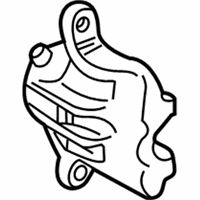
Related Volvo Parts
 Volvo ABS Sensor
 Volvo Brake Master Cylinder
 Volvo Wheel Hub
 Volvo Yaw Sensor
 Volvo ABS Pump And Motor Assembly
 Volvo Brake Booster Vacuum Pump
 Volvo Brake Caliper Repair Kit
 Volvo Brake Fluid Pump
 Volvo Brake Master Cylinder Repair Kit
 Volvo Parking Brake Actuator
 Volvo Parking Brake Shoes
 Volvo Wheel Stud
Browse by Model
240 Brake Caliper 244 Brake Caliper 245 Brake Caliper 740 Brake Caliper 760 Brake Caliper 780 Brake Caliper 850 Brake Caliper 940 Brake Caliper 960 Brake Caliper C30 Brake Caliper C40 Recharge Brake Caliper C70 Brake Caliper EC40 Brake Caliper EX30 Brake Caliper EX90 Brake Caliper S40 Brake Caliper S60 Brake Caliper S60 Cross Country Brake Caliper S70 Brake Caliper S80 Brake Caliper S90 Brake Caliper V40 Brake Caliper V50 Brake Caliper V60 Brake Caliper V60 Cross Country Brake Caliper V70 Brake Caliper V90 Brake Caliper V90 Cross Country Brake Caliper XC40 Brake Caliper XC40 Recharge Brake Caliper XC60 Brake Caliper XC70 Brake Caliper XC90 Brake Caliper