×
- Hello
- Login or Register
- Quick Links
- Live Chat
- Track Order
- Parts Availability
- RMA
- Help Center
- Contact Us
- Shop for
- Volvo Parts

My Garage
My Account
Cart
Genuine Volvo V50 Brake Caliper
Caliper- Select Vehicle by Model
- Select Vehicle by VIN
Select Vehicle by Model
orMake
Model
Year
Select Vehicle by VIN
For the most accurate results, select vehicle by your VIN (Vehicle Identification Number).
8 Brake Calipers found
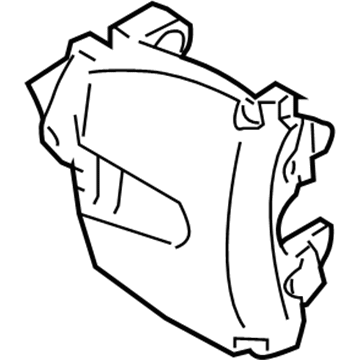
Volvo V50 Caliper, Passenger Side Part Number: 36000903
$229.96 MSRP: $301.39You Save: $71.43 (24%)Ships in 1-2 Business DaysVolvo V50 Caliper, Driver Side Part Number: 36000902
$229.96 MSRP: $301.39You Save: $71.43 (24%)Ships in 1-2 Business Days
Volvo V50 Caliper, Passenger Side Part Number: 36001766
$242.93 MSRP: $318.55You Save: $75.62 (24%)Ships in 1-2 Business DaysVolvo V50 Caliper, Driver Side Part Number: 36001765
$242.93 MSRP: $318.55You Save: $75.62 (24%)Ships in 1-2 Business Days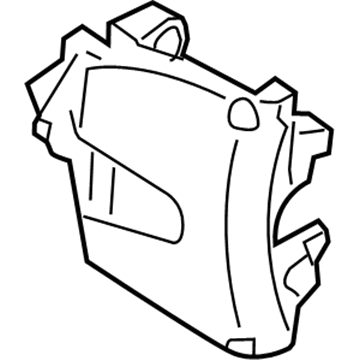
Volvo V50 Caliper, Passenger Side Part Number: 36000485
$290.46 MSRP: $381.43You Save: $90.97 (24%)Ships in 1-2 Business Days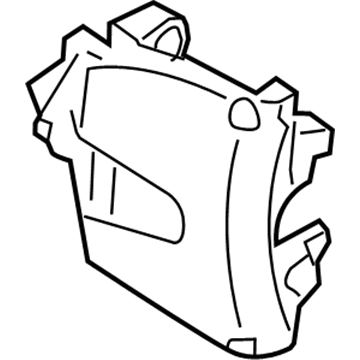
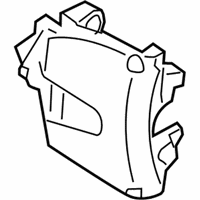
Volvo V50 Caliper, Driver Side Part Number: 36000731
$318.62 MSRP: $418.68You Save: $100.06 (24%)Ships in 1-2 Business DaysVolvo V50 Caliper, Passenger Side Part Number: 36000704
$318.62 MSRP: $418.68You Save: $100.06 (24%)Ships in 1-2 Business DaysVolvo V50 Caliper, Driver Side Part Number: 36000484
$310.57 MSRP: $408.03You Save: $97.46 (24%)Ships in 1-2 Business Days
Volvo V50 Brake Caliper
OEM parts are the only choice for top quality and real functionality. They pass strict checks, and they match Volvo's factory specs, so installation is easy. If you need new Brake Caliper and you want quality and fit. You will find both here. Our site has a wide range of OEM Volvo V50 parts. The prices are unbeatable, allowing you to get value for money. Each genuine V50 Brake Caliper comes with the manufacturer's warranty. That gives you peace of mind. We ship fast to your door. Order today, and enjoy a smooth, no-hassle upgrade with parts that fit right.
Volvo V50 Brake Caliper Parts and Q&A
- Q:What should you be aware of before starting work on rear Brake Caliper and hydraulic fluid and asbestos dust on Volvo V50?A:Before starting work, be aware of the dangers of hydraulic fluid and asbestos dust. Begin by applying the handbrake and chocking the front wheels, then slacken the rear wheel nuts, jack up the rear of the car, and support it on axle stands. Remove the roadwheel, and to minimize fluid loss, have an assistant depress and hold the brake pedal while attaching a length of plastic hose to the bleed screw on the caliper, placing the other end in a clean container. Unscrew the bleed screw slightly to allow fluid to flow, then close it when the flow slows and secure the pedal in the depressed position using a pedal jack or a length of wood. Alternatively, use a brake hose clamp to gently clamp the rear flexible hydraulic hose. Clean around the hydraulic union on the caliper and slacken the hose union half a turn before removing the rear brake pads. Unclip the handbrake inner cable fitting from the lever on the caliper and detach the outer cable from the bracket. Undo the caliper from the flexible hose union, being prepared for fluid spillage and plugging or capping the open unions. Currently, no parts are available for overhauling the calipers, so if they are faulty, they must be renewed, although exchange units can be obtained from a Volvo dealer or parts specialist. For refitting, reattach the brake hose to the caliper, finger-tightening the union, then reattach the handbrake cable to the caliper lever and bracket, and refit the brake pads. Tighten the hose union securely, ensuring the hose isn't twisted or kinked, then remove any brake hose clamp or pedal jack and bleed the hydraulic system. Finally, apply the footbrake a few times to settle the pads, refit the roadwheel, lower the car, and tighten the wheel bolts in a diagonal sequence to the specified torque.
Related Volvo V50 Parts
 Volvo V50 ABS Sensor
 Volvo V50 Brake Pads
 Volvo V50 ABS Control Module
 Volvo V50 Brake Caliper Bracket
 Volvo V50 Brake Caliper Repair Kit
 Volvo V50 Brake Controller
 Volvo V50 Brake Dust Shields
 Volvo V50 Brake Line
 Volvo V50 Brake Rotor
 Volvo V50 Hydraulic Hose
 Volvo V50 Speed Sensor
 Volvo V50 Wheel Hub