×
- Hello
- Login or Register
- Quick Links
- Live Chat
- Track Order
- Parts Availability
- RMA
- Help Center
- Contact Us
- Shop for
- Volvo Parts

My Garage
My Account
Cart
Genuine Volvo V50 Brake Disc
Disc Rotor- Select Vehicle by Model
- Select Vehicle by VIN
Select Vehicle by Model
orMake
Model
Year
Select Vehicle by VIN
For the most accurate results, select vehicle by your VIN (Vehicle Identification Number).
3 Brake Discs found
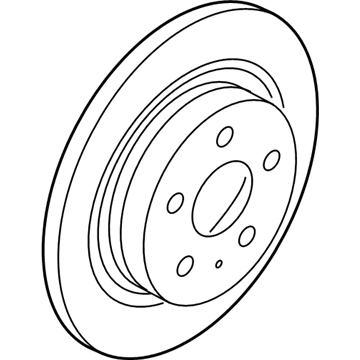

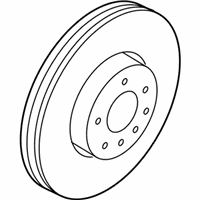
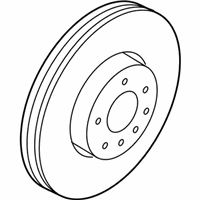
Volvo V50 Rotor Part Number: 31499632
$47.19 MSRP: $80.58You Save: $33.39 (42%)Ships in 1-2 Business Days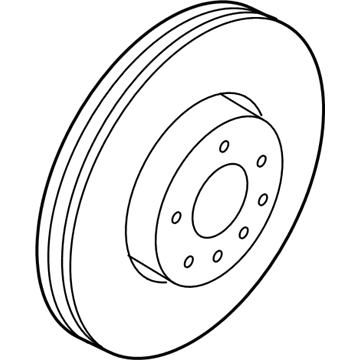
Volvo V50 Rotor Part Number: 31471819
$81.69 MSRP: $140.64You Save: $58.95 (42%)Ships in 1-2 Business Days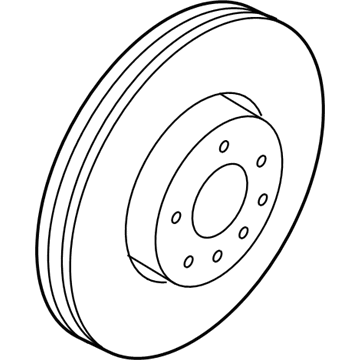
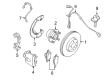
Volvo V50 Rotor Part Number: 31400942
$88.45 MSRP: $152.29You Save: $63.84 (42%)Ships in 1-2 Business Days
Volvo V50 Brake Disc
OEM parts are the only choice for top quality and real functionality. They pass strict checks, and they match Volvo's factory specs, so installation is easy. If you need new Brake Disc and you want quality and fit. You will find both here. Our site has a wide range of OEM Volvo V50 parts. The prices are unbeatable, allowing you to get value for money. Each genuine V50 Brake Disc comes with the manufacturer's warranty. That gives you peace of mind. We ship fast to your door. Order today, and enjoy a smooth, no-hassle upgrade with parts that fit right.
Volvo V50 Brake Disc Parts and Q&A
- Q: What steps are necessary for inspecting and maintaining the Brake Disc and Brake Pad Set on the braking system for petrol engines on Volvo V50?A:The work should be done at specific intervals or when a defect is suspected in braking system which may include symptoms such as pulling of the vehicle on one side when brake pedal is depressed, squeaking or dragging noise when the brakes are applied, excess brake pedal movement or requirement for frequent topping-up of brake fluid that may indicate problems. For front disc brakes, engage the handbrake, loosening the nuts on the front wheel, jack up the vehicle and support it on axle stands. Remove the wheels for easier access of the brake calipers and check the thickness of the friction lining material on each pad through the inspection window to make sure it is sufficient to the recommended minimum. If it is hard to measure the thickness or there are doubts about the condition of the pads, remove them for inspection. Should any brake pad become worn down to or below the specified limit all four pads on that end must be replaced as a set and significant wear on one side may indicate that the caliper pistons are partially seized. Using a micrometer, measure the thickness of the discs (careful about rust that may distort the thickness of the disc), and replace with new any thinner than the required minimum. Check the general condition of the discs for undue scoring or discoloration due to overheating and resurface renew, as needed. Make sure the handbrake is engaged, the transmission is neutral, the wheel should be spun to confirm that the brake is not binding and that there is some drag is normal. Before refitting the wheels, check all brake lines and hoses, especially the flexible hoses close to the calipers for cracks or damage. Finally, replace the wheels, lower the car and tighten the wheel nuts according to the torque. For rear disc brakes, loosen the rear wheel nuts and chock the front wheels, jack up the rear, ride it on axle stands, release the handbrake and remove the rear wheels, a similar procedure to check for binding, make sure that abnormal effort is not an indication that handbrake adjustment is required.
- Q: What should you know about Brake Disc and Brake Pad Set inspection and maintenance for diesel engines on Volvo V50?A:The work should be performed at prescribed intervals or when a defect is suspected in the braking system, symptoms which include the vehicle pulling to one side when the brake pedal is depressed, the brake system squealing or dragging when the brakes are applied, excessive brake pedal movement, poor brake pedal feel or the need to top-up brake fluid frequently, are likely to be indicating a problem. For front disc brakes, operate the handbrake, remove the nuts on the front wheels, jack up the car, and prop it up on axle stands for easier access to the brake calipers after removing the wheels. Inspect the thickness of the friction lining material, through the inspection window in the caliper, and remove the pads if required for further inspection. If any brake pad is worn down to or below the stated limit, all four pads at that end have to be renewed as a set and if one side is significantly more worn, they may indicate seized caliper pistons. Measure the thickness of the discs with a micrometer, making sure that they still have service life left in them, and examine them for excessive scoring or discoloration from overheating, replacing both front discs if any are below the minimum thickness. Ensure the handbrake is applied, check transmission is in neutral, spin the wheel to make sure it is not binding the brake and check all brake lines and hoses for hidden cracks or splits then refit the wheels and lower the car, tighten the wheel nuts to specified torque. For rear disc brakes, the procedure involves loosening rear wheel nuts, chocking the front, jacking up the rear, supporting the rear on axle stands, releasing the handbrake and removing the rear wheels, double-checking that the rear brakes are not binding and adjusting the handbrake if needed.
Related Volvo V50 Parts
 Volvo V50 ABS Control Module
 Volvo V50 ABS Wheel Speed Sensor
 Volvo V50 Brake Booster
 Volvo V50 Brake Caliper
 Volvo V50 Brake Caliper Bracket
 Volvo V50 Brake Dust Shield
 Volvo V50 Brake Hose
 Volvo V50 Brake Master Cylinder
 Volvo V50 Brake Master Cylinder Reservoir
 Volvo V50 Brake Pad Set
 Volvo V50 Parking Brake Cable
 Volvo V50 Wheel Hub