×
- Hello
- Login or Register
- Quick Links
- Live Chat
- Track Order
- Parts Availability
- RMA
- Help Center
- Contact Us
- Shop for
- Volvo Parts

My Garage
My Account
Cart
Genuine Volvo Brake Pad Set
Disc Brake Pad Set- Select Vehicle by Model
- Select Vehicle by VIN
Select Vehicle by Model
orMake
Model
Year
Select Vehicle by VIN
For the most accurate results, select vehicle by your VIN (Vehicle Identification Number).
59 Brake Pad Sets found

Volvo Brake Pads Part Number: 31261186
$42.50 MSRP: $72.59You Save: $30.09 (42%)Ships in 1-2 Business DaysProduct Specifications- Other Name: Brake Pad Kit; Disc Brake Pad Set; Brake Pad Set; Brake Pad, Rear Pad
- Replaces: 272291
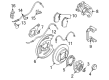
Volvo Brake Pads Part Number: 31262468
$51.40 MSRP: $87.78You Save: $36.38 (42%)Ships in 1-2 Business DaysProduct Specifications- Other Name: Brake Pad Kit; Disc Brake Pad Set; Brake Pad Set; Brake Pad, Rear Pad
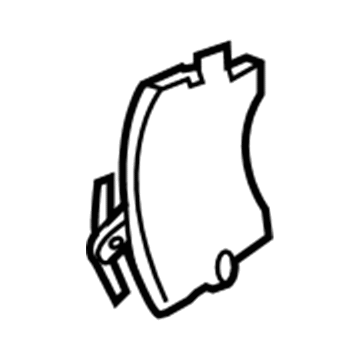
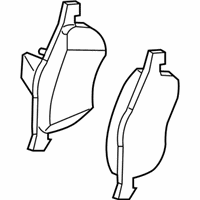
Volvo Brake Pads, Front Part Number: 30769199
$59.68 MSRP: $101.92You Save: $42.24 (42%)Ships in 1-2 Business DaysProduct Specifications- Other Name: Brake Pad Kit; Disc Brake Pad Set, Front; Disc Brake Pad Kit; Brake Pad, Front Pad
- Position: Front
Volvo Brake Pads Part Number: 32373187
$61.06 MSRP: $105.12You Save: $44.06 (42%)Ships in 1-2 Business DaysProduct Specifications- Other Name: Brake Pad Kit; Brake Pad Set; Brake Pad, Rear Pad
- Replaces: 30648382
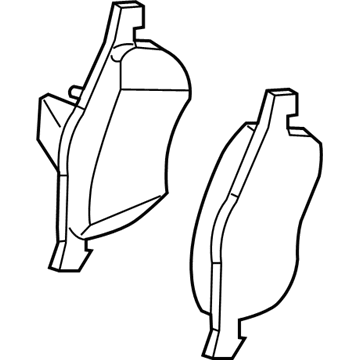
Volvo Brake Pads Part Number: 32373156
$62.16 MSRP: $107.02You Save: $44.86 (42%)Ships in 1-2 Business DaysProduct Specifications- Other Name: Brake Pad Kit; Brake Pad Set; Brake Pad, Front Pad
- Replaces: 31341243

Volvo Brake Pads Part Number: 32373159
$63.02 MSRP: $108.49You Save: $45.47 (42%)Ships in 1-2 Business DaysProduct Specifications- Other Name: Brake Pad Kit; Brake Pad Set; Brake Pad, Rear Pad
- Replaces: 30793093
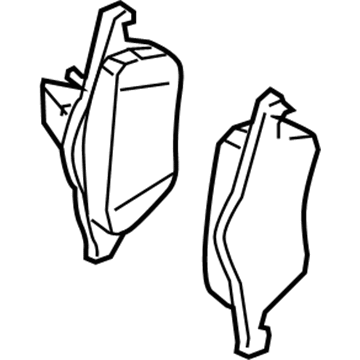

Volvo Brake Pads Part Number: 32373166
$64.23 MSRP: $110.59You Save: $46.36 (42%)Ships in 1-2 Business DaysProduct Specifications- Other Name: Brake Pad Kit; Brake Pad Set; Brake Pad, Rear Pad
- Replaces: 31341331

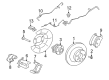
Volvo Brake Pads Part Number: 30671576
$65.30 MSRP: $112.43You Save: $47.13 (42%)Ships in 1-2 Business DaysProduct Specifications- Other Name: Brake Pad Kit; Disc Brake Pad Set
- Replaced by: 32373177
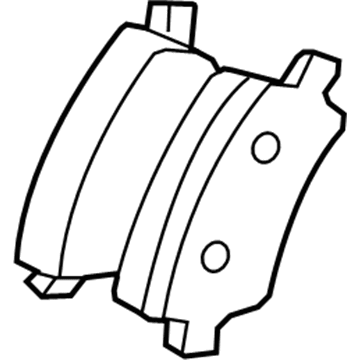
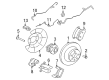
Volvo Brake Pads Part Number: 32373175
$65.30 MSRP: $112.43You Save: $47.13 (42%)Ships in 1-2 Business DaysProduct Specifications- Other Name: Brake Pad Kit; Brake Pad Set; Brake Pad, Rear Pad
- Replaces: 30671574
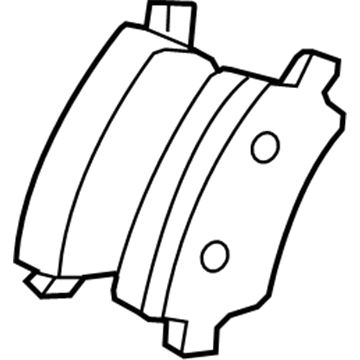
Volvo Brake Pads Part Number: 32373176
$65.30 MSRP: $112.43You Save: $47.13 (42%)Ships in 1-2 Business DaysProduct Specifications- Other Name: Brake Pad Kit; Brake Pad Set; Brake Pad, Rear Pad
- Replaces: 30671575
Volvo Brake Pads Part Number: 32373181
$65.30 MSRP: $112.43You Save: $47.13 (42%)Ships in 1-2 Business DaysProduct Specifications- Other Name: Brake Pad Kit; Brake Pad Set; Brake Pad, Rear Pad
- Replaces: 31317483

Volvo Brake Pads Part Number: 32373151
$66.53 MSRP: $114.54You Save: $48.01 (42%)Ships in 1-2 Business DaysProduct Specifications- Other Name: Brake Pad Kit; Brake Pad Set; Brake Pad, Front Pad
- Replaces: 30793618
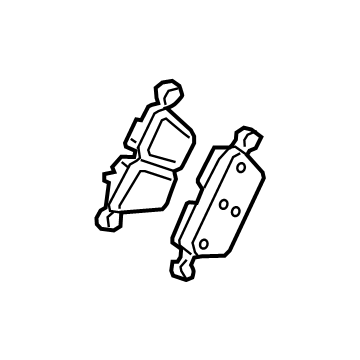

Volvo Brake Pads Part Number: 32287446
$69.83 MSRP: $120.23You Save: $50.40 (42%)Ships in 1-2 Business DaysProduct Specifications- Other Name: Brake Pad Kit 2510; Brake Pad Set
- Replaced by: 32379535

Volvo Brake Pads Part Number: 32379535
$69.83 MSRP: $120.23You Save: $50.40 (42%)Ships in 1-2 Business DaysProduct Specifications- Other Name: Brake Pad Kit; Brake Pad Set; Brake Pad, Rear Pad
- Replaces: 31471265, 32287446

Volvo Brake Pads Part Number: 32276933
$71.74 MSRP: $123.52You Save: $51.78 (42%)Ships in 1-2 Business DaysProduct Specifications- Other Name: Brake Pad Kit; Brake Pad Set; Brake Pad, Rear Pad
- Replaces: 31471471
Volvo Brake Pads, Front Part Number: 32276934
$71.85 MSRP: $123.70You Save: $51.85 (42%)Ships in 1-2 Business DaysProduct Specifications- Other Name: Brake Pad Kit; Disc Brake Pad Set, Rear; Brake Pad, Rear Pad
- Position: Front
- Replaces: 31687033
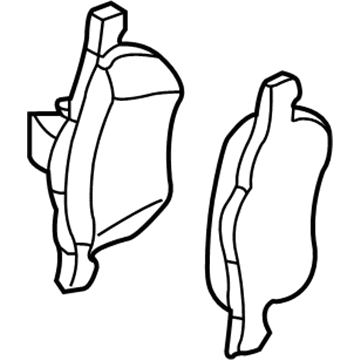

Volvo Brake Pads Part Number: 32373171
$72.55 MSRP: $124.92You Save: $52.37 (42%)Ships in 1-2 Business DaysProduct Specifications- Other Name: Brake Pad Kit; Brake Pad Set; Brake Pad, Front Pad
- Replaces: 8634921

Volvo Brake Pads Part Number: 32287430
$74.23 MSRP: $127.82You Save: $53.59 (42%)Ships in 1-2 Business DaysProduct Specifications- Other Name: Brake Pad Kit; Brake Pad Set; Brake Pad, Rear Pad
- Replaces: 31665837, 31423653
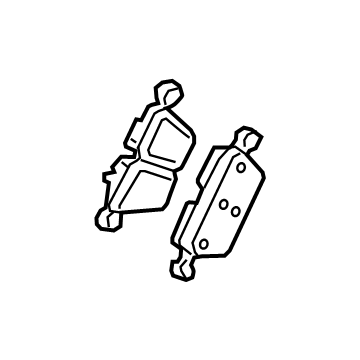
Volvo Brake Pads Part Number: 32287431
$74.23 MSRP: $127.82You Save: $53.59 (42%)Ships in 1-2 Business DaysProduct Specifications- Other Name: Brake Pad Kit; Brake Pad Set; Brake Pad, Rear Pad
- Replaces: 31423654, 31687502
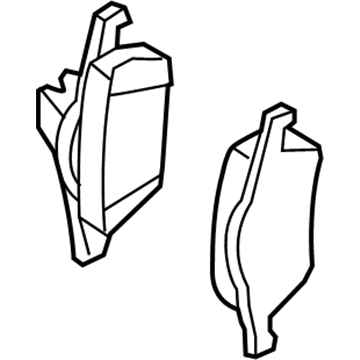
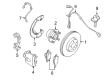
Volvo Brake Pads Part Number: 32373149
$74.51 MSRP: $128.29You Save: $53.78 (42%)Ships in 1-2 Business DaysProduct Specifications- Other Name: Brake Pad Kit; Brake Pad Set; Brake Pad, Front Pad
- Replaces: 30742029
| Page 1 of 3 |Next >
1-20 of 59 Results
Volvo Brake Pad Set
Volvo Brake Pad Set turns speed into confident stops, giving drivers reliable control in day-to-day traffic and on long descents. Volvo has been known all over the world for putting people first, from being the first to introduce the three-point seat belt to championing Scandinavian clean design, which makes every control easy to reach. The company also drives to an electrified future and combines plug-in hybrid technology with traditional craftsmanship to ensure families can travel efficiently and comfortably. Strength, safety, and environmental responsibility are at the core of all Volvo vehicles, and owners can feel reassured and safe whether driving through the city or out on open highways. A Brake Pad Set complements these values by providing the necessary friction surface that a caliper squeezes every time the pedal is pressed, converting motion into heat and halting the car in a smooth, predictable line. Modern ceramic formulations contain minimal dust, are fade-resistant near 400 degrees Fahrenheit, and maintain rotor life, so performance remains constant mile after mile. Integrated wear indicators help drivers know when the thickness is dropping too low to be optimal, which makes it easy to replace and prevents costly damage to the rotor. Because the Brake Pad Set is compatible with the wider engineering philosophy of Volvo, it provides an even feeling in the pedal throughout the entire range, ensures the trademark balance of comfort and control, and provides Volvo drivers of all ages with a sense of security. Regular inspection and timely renewal of each Brake Pad Set keeps each braking response crisp and confidence high.
Trust OEM Brake Pad Set for quality that holds up. These parts use top-tier materials to keep your ride running smooth. Because they match exact Volvo specs, you get a flawless fit and a hassle-free install every single time. No more fighting with parts that just won't line up. It is easy to search our massive stock of genuine Volvo options at prices you will really like. Every part comes with a real manufacturer's warranty and a simple return policy. Plus, we ship fast to get your order to you. Shop with confidence and give your Volvo the reliability it deserves.
Volvo Brake Pad Set Parts and Q&A
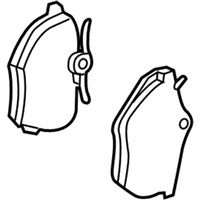
- Q: How to replace a rear Brake Pad Set on Volvo V40?A:Chock the front wheels, loosen the nuts on the rear wheels and jack up the rear of the car and place on axle stands. Remove the rear wheels and set the handbrake fully open. Slide out the retaining clip and release the brake hose from its bracket. Slacken and remove the caliper upper guide pin bolt (using open ended spanner to prevent the guide pin from rotating) and discard the guide pin bolt also (a new one must be used on refitting). Pivot the caliper backwards to remove the two brake pads from the caliper mounting bracket, removing the wear indicator from the inner pad, recording the correct fitted position. Measure the thickness of the braking pad's friction material, if any of the pads is worn to the specified minimum thickness or less, all four brake pads should be renewed. Renew the pads if any are fouled with oil or grease as there is no satisfactory way of degreasing contaminated friction material. If any of the brake pads are unevenly worn or fouled, trace and rectify the cause before reassembling. New brake pads can also be obtained at Volvo dealers. If the brake pads are still serviceable, clean them using a clean, fine wire brush paying particular attention to the sides and back of the metal backing and cleaning out the grooves in the friction material picking out any large embedded particles of dirt or debris. Clean the pad locations in the caliper body / mounting bracket. Before fitting the pads, inspect the guide pins to make sure they slide easily in the caliper bracket and that the (rubber) guide pin gaiters are not damaged. Brush the dust and dirt off the caliper and piston not inhaling and check the dust seal around the piston is not worn and the piston itself for fluid leaks, corrosion or damage. If new brake pads are to be fitted, pull the piston all the way into the caliper bore by turning it clockwise while pushing on it to force it back into the bore. Monitor the fluid level in the master cylinder reservoir to avoid spillage, if the reservoir fluid level rises above the MAX level line; siphon off excess fluid. Clip the wear indicator onto the inner pad and then find the pads in the mounting bracket, making sure the friction material is against the brake disc. Slide the caliper back into position over the pads making sure the pad anti-rattle springs are back in place against the caliper body. Press the caliper into position, then fit the new guide pin bolt, tightening it to a given torque setting while holding the guide pin in place with an open-ended spanner. Locate the brake hose in the bracket and lock it with the holding clip. The driver then depresses the brake pedal repeatedly enough to drive the brake pads against the brake disc firmly enough to restore normal pressure on the brake pedal. Repeat the procedure on the other rear brake caliper. Refit the roadwheels, lower the car in the ground and tighten the wheel nuts to the given torque setting. Check fluid level in hydraulic system and when done adjust handbrake if required.
- Q: How to replace a front Brake Pad Set on Volvo V70?A:Loosen the front wheel bolts and chock the rear wheels, then jack up the front of the car and support it on axle stands. Remove the front roadwheels, noting how the locating peg fits into the back of the wheel. Using a screwdriver, carefully extract the brake pad retaining spring, taking care not to deform it. Remove the protective caps over the two caliper guide pins and unscrew both pins using a 7 mm Allen key. Withdraw the caliper off the brake pad and caliper bracket, ensuring not to stretch the brake hose, and if necessary, lever the pads away from the disc with a flat bladed screwdriver. Remove the inboard pad with spring clip retainer from the caliper piston and the outboard brake pad from the caliper bracket, then suspend the caliper using string or wire tied to a convenient suspension component, avoiding pressing the brake pedal while the caliper is removed. Measure the thickness of the pad friction linings; if any one pad lining has worn down to the specified minimum, all four front pads must be renewed, and do not interchange pads to even out wear. Clean the caliper and bracket with an aerosol brake cleaning product and an old paint brush, inspecting the caliper piston and dust boot for signs of fluid leakage, as well as the guide pin rubber bushes, repairing or renewing as necessary. Remove any scale or rust from the outer rim of the brake disc with a wire brush or file, and inspect the visible surface of the brake disc for deep scoring, cracks, or grooves, or if brake judder or snatch has been a problem, carry out a more thorough inspection. If new pads are to be fitted, press the caliper piston back into its bore with a piston retraction tool or G-clamp, being careful not to damage the dust boot, and remove some fluid from the master cylinder reservoir to prevent overflowing. Position the outboard pad in the caliper bracket with the friction surface towards the disc, engage the spring clip retainer of the inboard pad with the caliper piston, and push the pad fully into contact with the piston before placing the caliper over the disc and onto the caliper bracket. Lubricate the guide pins with silicone grease, insert them into the caliper, and tighten both to the specified torque, then refit the protective caps to the guide pins. Refit the brake pad retaining spring clip, ensuring it sits behind the 'fingers' of the caliper, and press the brake pedal several times to bring the pads up to the disc. Repeat the operations on the other front brake, then refit the roadwheels, lower the car, and tighten the wheel bolts in a diagonal sequence to the specified torque. Check the brake fluid level and top-up if necessary, and if new pads have been fitted, avoid hard braking for the first few hundred miles to allow the linings to bed-in.
Related Volvo Parts
 Volvo Brake Booster
 Volvo Brake Caliper
 Volvo Brake Hose
 Volvo Wheel Bearing
 Volvo Wheel Hub
 Volvo ABS Relay
 Volvo Brake Caliper Bracket
 Volvo Brake Disc
 Volvo Brake Master Cylinder Reservoir
 Volvo Brake Shoe Set
 Volvo Parking Brake Cable
 Volvo Parking Brake Motor
Browse by Model
240 Brake Pad Set 244 Brake Pad Set 245 Brake Pad Set 740 Brake Pad Set 760 Brake Pad Set 780 Brake Pad Set 940 Brake Pad Set 960 Brake Pad Set C30 Brake Pad Set C40 Recharge Brake Pad Set C70 Brake Pad Set S40 Brake Pad Set S60 Brake Pad Set S60 Cross Country Brake Pad Set S70 Brake Pad Set S80 Brake Pad Set S90 Brake Pad Set V40 Brake Pad Set V50 Brake Pad Set V60 Brake Pad Set V60 Cross Country Brake Pad Set V70 Brake Pad Set V90 Brake Pad Set V90 Cross Country Brake Pad Set XC40 Brake Pad Set XC40 Recharge Brake Pad Set XC60 Brake Pad Set XC70 Brake Pad Set XC90 Brake Pad Set