×
- Hello
- Login or Register
- Quick Links
- Live Chat
- Track Order
- Parts Availability
- RMA
- Help Center
- Contact Us
- Shop for
- Volvo Parts

My Garage
My Account
Cart
Genuine Volvo Brake Hose
Brake Line- Select Vehicle by Model
- Select Vehicle by VIN
Select Vehicle by Model
orMake
Model
Year
Select Vehicle by VIN
For the most accurate results, select vehicle by your VIN (Vehicle Identification Number).
66 Brake Hoses found
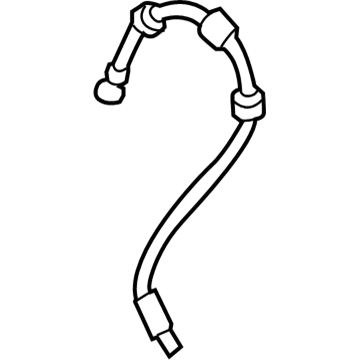
Volvo Flex Hose Part Number: 32221979
$43.44 MSRP: $64.75You Save: $21.31 (33%)Ships in 1-2 Business DaysProduct Specifications- Other Name: Brake Hose; Brake Hydraulic Hose; Brake Hose
- Replaces: 30681723
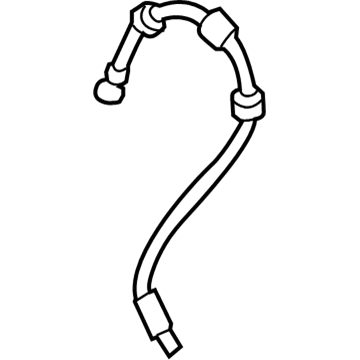
Volvo Flex Hose Part Number: 32221980
$43.44 MSRP: $64.75You Save: $21.31 (33%)Ships in 1-2 Business DaysProduct Specifications- Other Name: Brake Hose; Brake Hydraulic Hose; Brake Hose
- Replaces: 30681724
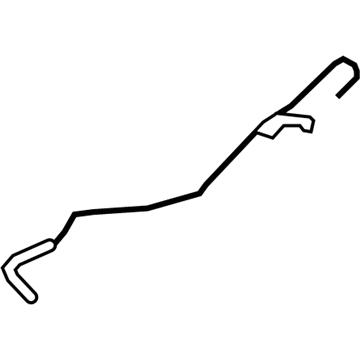
Volvo Flex Hose Part Number: 32246090
$44.91 MSRP: $66.92You Save: $22.01 (33%)Ships in 1-2 Business DaysProduct Specifications- Other Name: Brake Hose
- Replaces: 31261882
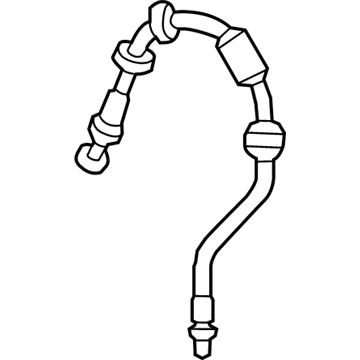
Volvo Flex Hose Part Number: 32246091
$44.91 MSRP: $66.92You Save: $22.01 (33%)Ships in 1-2 Business DaysProduct Specifications- Other Name: Brake Hose
- Replaces: 31305075, 31274774
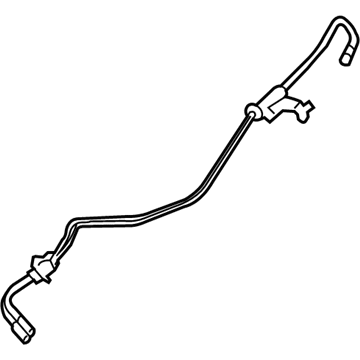
Volvo Flex Hose Part Number: 32246093
$44.91 MSRP: $66.92You Save: $22.01 (33%)Ships in 1-2 Business DaysProduct Specifications- Other Name: Brake Hose
- Replaces: 31305080
Volvo Flex Hose Part Number: 32246101
$44.91 MSRP: $66.92You Save: $22.01 (33%)Ships in 1-2 Business DaysProduct Specifications- Other Name: Brake Hose
- Replaces: 31305077, 31341938
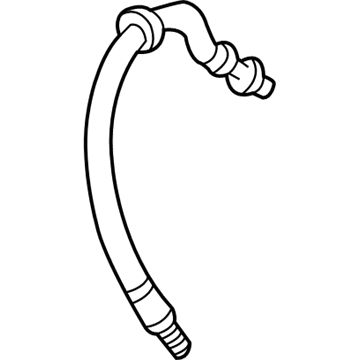
Volvo Flex Hose Part Number: 32246084
$52.19 MSRP: $76.40You Save: $24.21 (32%)Ships in 1-2 Business DaysProduct Specifications- Other Name: Brake Hose 2511; Brake Hydraulic Hose; Brake Hose
- Replaces: 30778919
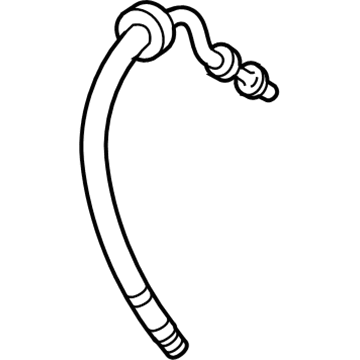
Volvo Flex Hose Part Number: 32246083
$56.49 MSRP: $84.19You Save: $27.70 (33%)Ships in 1-2 Business DaysProduct Specifications- Other Name: Brake Hose; Brake Hydraulic Hose; Brake Hose
- Replaces: 30648980
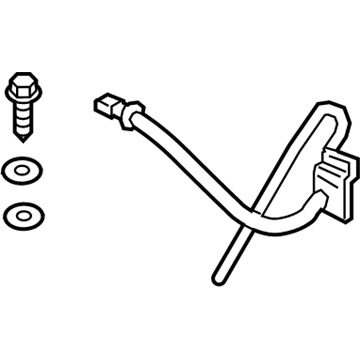
Volvo Flex Hose, Driver Side Part Number: 32221999
$57.94 MSRP: $86.34You Save: $28.40 (33%)Ships in 1-2 Business DaysProduct Specifications- Other Name: Brake Hose; Flex Hose
- Position: Driver Side
- Replaces: 31362778
Volvo Flex Hose, Passenger Side Part Number: 32246000
$57.94 MSRP: $86.34You Save: $28.40 (33%)Ships in 1-2 Business DaysProduct Specifications- Other Name: Brake Hose; Flex Hose
- Position: Passenger Side
- Replaces: 31471205, 32298058
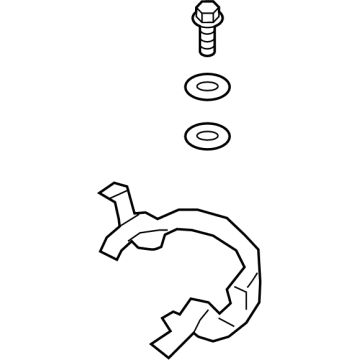
Volvo Flex Hose, Driver Side Part Number: 32246001
$57.94 MSRP: $86.34You Save: $28.40 (33%)Ships in 1-2 Business DaysProduct Specifications- Other Name: Brake Hose; Flex Hose
- Position: Driver Side
- Replaces: 31362776, 31678088, 32221397
Volvo Flex Hose, Passenger Side Part Number: 32246002
$57.94 MSRP: $86.34You Save: $28.40 (33%)Ships in 1-2 Business DaysProduct Specifications- Other Name: Brake Hose; Flex Hose
- Position: Passenger Side
- Replaces: 31678087, 31362777, 32221398
Volvo Flex Hose, Driver Side Part Number: 32246003
$57.94 MSRP: $86.34You Save: $28.40 (33%)Ships in 1-2 Business DaysProduct Specifications- Other Name: Brake Hose; Flex Hose
- Position: Driver Side
- Replaces: 31400877, 32221399, 31658933
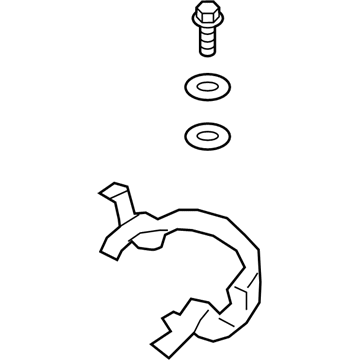
Volvo Flex Hose, Driver Side Part Number: 32246005
$57.94 MSRP: $86.34You Save: $28.40 (33%)Ships in 1-2 Business DaysProduct Specifications- Other Name: Brake Hose; Flex Hose
- Position: Driver Side
- Replaces: 31678085, 31400442, 32221401
Volvo Flex Hose, Passenger Side Part Number: 32246006
$57.94 MSRP: $86.34You Save: $28.40 (33%)Ships in 1-2 Business DaysProduct Specifications- Other Name: Brake Hose; Flex Hose
- Position: Passenger Side
- Replaces: 31400443, 31678086, 32221402
Volvo Flex Hose, Driver Side Part Number: 32246007
$57.94 MSRP: $86.34You Save: $28.40 (33%)Ships in 1-2 Business DaysProduct Specifications- Other Name: Brake Hose 2508
- Position: Driver Side
- Replaced by: 32302519
Volvo Flex Hose, Passenger Side Part Number: 32246008
$57.94 MSRP: $86.34You Save: $28.40 (33%)Ships in 1-2 Business DaysProduct Specifications- Other Name: Brake Hose 2509
- Position: Passenger Side
- Replaced by: 32302520
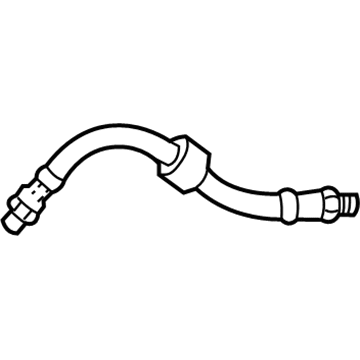
Volvo Flex Hose Part Number: 32246089
$57.94 MSRP: $86.34You Save: $28.40 (33%)Ships in 1-2 Business DaysProduct Specifications- Other Name: Brake Hose
- Replaces: 31257711
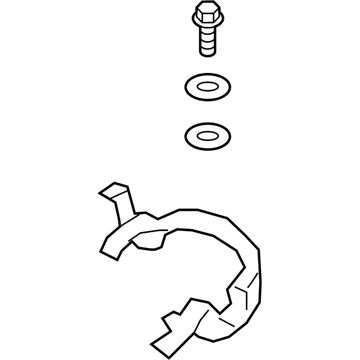
Volvo Flex Hose, Driver Side Part Number: 32246625
$57.94 MSRP: $86.34You Save: $28.40 (33%)Ships in 1-2 Business DaysProduct Specifications- Other Name: Brake Hose; Flex Hose
- Position: Driver Side
Volvo Flex Hose, Passenger Side Part Number: 32246626
$57.94 MSRP: $86.34You Save: $28.40 (33%)Ships in 1-2 Business DaysProduct Specifications- Other Name: Brake Hose; Flex Hose
- Position: Passenger Side
| Page 1 of 4 |Next >
1-20 of 66 Results
Volvo Brake Hose
Volvo Brake Hose provides constant hydraulic pressure to each of the wheels for drivers to enjoy confident and balanced stops in all situations. Volvo has developed a global reputation for safety with inventions such as the three-point seat belt, clean Scandinavian design, and an eye on the future with electric powertrains that cut emissions while maintaining good performance. From its first car in 1927 to today's buses and trucks, Volvo develops cars that feel like a rock, are easy to control, and are brave for harsh weather conditions. The brand incorporates advanced brakes and clear instrumentation throughout the vehicles so owners can concentrate on the road. A Volvo driver expects durability, simplicity, and comfort, all values that go into the company's development of traditional engines and plug-in hybrids for a greener future. The Brake Hose is at the very core of this promise as it provides a connection between the rigid brake lines and the moving wheels without the possibility of leakage or kinking. Flexible construction allows the suspension to roam freely, with stainless steel or high-quality rubber layers resisting salt, debris, and swelling, which can steal pedal feel. Every model of Volvo benefits from a strong Brake Hose because equal pressure means equal force grabbing on each caliper, reduced stopping distances, and the car stays stable during hard braking. Replacing an aged Brake Hose revitalizes crisp response and helps protect the master cylinder from being forced to work too hard, keeping the entire brake system performing like new.
Trust OEM Brake Hose for quality that holds up. These parts use top-tier materials to keep your ride running smooth. Because they match exact Volvo specs, you get a flawless fit and a hassle-free install every single time. No more fighting with parts that just won't line up. It is easy to search our massive stock of genuine Volvo options at prices you will really like. Every part comes with a real manufacturer's warranty and a simple return policy. Plus, we ship fast to get your order to you. Shop with confidence and give your Volvo the reliability it deserves.
Volvo Brake Hose Parts and Q&A
- Q: How should metal lines and rubber brake hoses be checked and maintained to ensure proper braking performance on Volvo 740?A:Metal lines and rubber brake hoses should be inspected regularly for leaks and exterior damage, because metal lines can be easily crushed and kinked beneath the vehicle, which will limit the flow of fluid and affect braking. Rubber hoses should be inspected for cracking or scraping as such damage can cause weak spots which can fail under pressure. When lines are removed or disconnected, extreme cleanliness is essential; all of the joints and connections should be cleaned prior to disassembly and lines and ports should be plugged after opening. Note: New lines and hoses should be flushed with brake fluid before installation to avoid contamination. To remove a line or hose, disconnect the negative battery cable, jack up and support the vehicle, and eliminate as many wheel and tire assemblies as necessary for accessibility. Clean the area around the joints, place a catch pan underneath, and to disconnect the hose or line use two wrenches to dissociate the connection, paying attention to use a back-up wrench so as not to damage the fittings. Disconnect any retaining clips or brackets and take the line off, being careful to tape or plug any remaining clips and ports if the brake system is going to be open for an extended period of time. For installation, begin your new line or hose at the end that is furthest away from the master cylinder, having both of your fittings well-threaded and not rubbing to any other part, with 1/2 inch minimum space from the steering column and moving parts. Reinstall any protective shielding or insulators, tighten any fitting using two wrenches and reinstall any retaining clips or brackets. If applicable, reinstall the wheel and tire assemblies, lower the vehicle, refill the brake master cylinder reservoir with clean brake fluid that meets DOT 3 specifications, properly bleed the brake system and reconnect the negative battery cable.
Related Volvo Parts
 Volvo ABS Control Module
 Volvo Brake Booster
 Volvo Brake Caliper
 Volvo Brake Dust Shield
 Volvo Vacuum Pump
 Volvo Wheel Hub
 Volvo ABS Relay
 Volvo Brake Disc
 Volvo Brake Pad Set
 Volvo Brake Shoe Set
 Volvo Parking Brake Cable
 Volvo Parking Brake Motor
Browse by Model
240 Brake Hose 244 Brake Hose 245 Brake Hose 740 Brake Hose 760 Brake Hose 780 Brake Hose 850 Brake Hose 940 Brake Hose 960 Brake Hose C30 Brake Hose C40 Recharge Brake Hose C70 Brake Hose S40 Brake Hose S60 Brake Hose S60 Cross Country Brake Hose S70 Brake Hose S80 Brake Hose S90 Brake Hose V40 Brake Hose V50 Brake Hose V60 Brake Hose V60 Cross Country Brake Hose V70 Brake Hose V90 Brake Hose V90 Cross Country Brake Hose XC40 Brake Hose XC40 Recharge Brake Hose XC60 Brake Hose XC70 Brake Hose XC90 Brake Hose