×
- Hello
- Login or Register
- Quick Links
- Live Chat
- Track Order
- Parts Availability
- RMA
- Help Center
- Contact Us
- Shop for
- Volvo Parts

My Garage
My Account
Cart
Genuine Volvo Drive Belt
Serpentine Belt- Select Vehicle by Model
- Select Vehicle by VIN
Select Vehicle by Model
orMake
Model
Year
Select Vehicle by VIN
For the most accurate results, select vehicle by your VIN (Vehicle Identification Number).
46 Drive Belts found
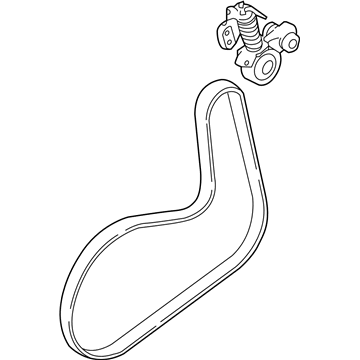
Volvo Serpentine Belt Part Number: 31480362
$131.41 MSRP: $197.46You Save: $66.05 (34%)Ships in 1-2 Business DaysProduct Specifications- Other Name: Belt Set; Drive Belt; Belt
- Replaces: 31430706
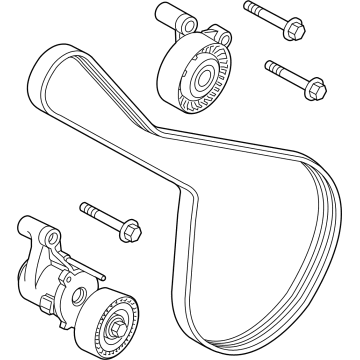
Volvo Serpentine Belt Part Number: 31480409
$161.96 MSRP: $243.36You Save: $81.40 (34%)Ships in 1-2 Business DaysProduct Specifications- Other Name: Belt Set; Drive Belt; Belt
- Replaces: 31401460
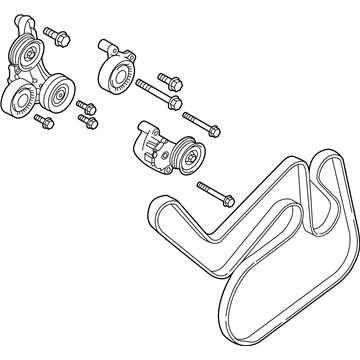
Volvo Serpentine Belt Part Number: 32213657
$174.92 MSRP: $262.83You Save: $87.91 (34%)Ships in 1-2 Business DaysProduct Specifications- Other Name: Belt Set; Drive Belt; Belt
- Replaces: 31430219, 31480093, 31401459, 31460675, 31480360
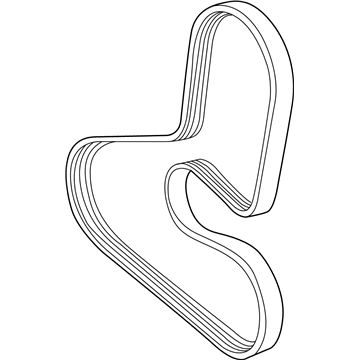
Volvo Serpentine Belt Part Number: 9186352
$32.66 MSRP: $48.67You Save: $16.01 (33%)Ships in 1-2 Business DaysProduct Specifications- Other Name: Belt; Drive Belt
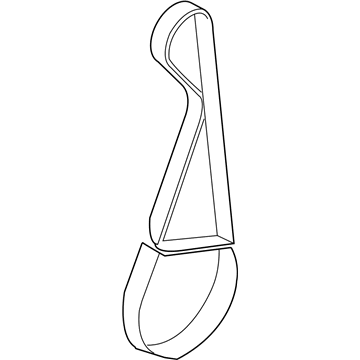
Volvo Serpentine Belt Part Number: 30777531
$32.66 MSRP: $48.67You Save: $16.01 (33%)Ships in 1-2 Business DaysProduct Specifications- Other Name: Belt; Drive Belt; A/C Belt, Alternator Belt, Drive Belt
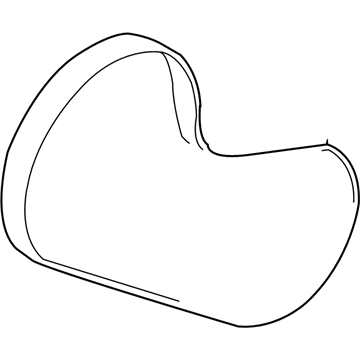
Volvo Serpentine Belt Part Number: 30777530
$32.66 MSRP: $48.67You Save: $16.01 (33%)Ships in 1-2 Business DaysProduct Specifications- Other Name: Belt; Drive Belt; A/C Belt, Alternator Belt
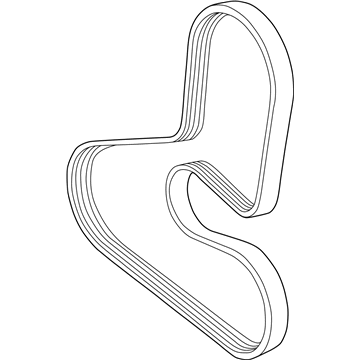
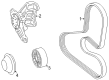
Volvo Serpentine Belt Part Number: 30731809
$32.66 MSRP: $48.67You Save: $16.01 (33%)Ships in 1-2 Business DaysProduct Specifications- Other Name: Belt; Drive Belt
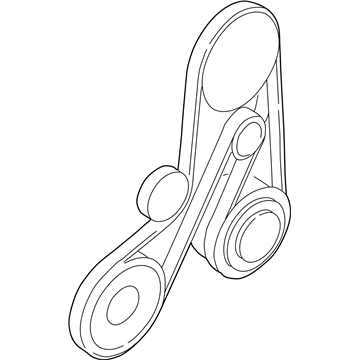
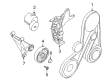
Volvo Serpentine Belt Part Number: 30731808
$32.66 MSRP: $48.67You Save: $16.01 (33%)Ships in 1-2 Business DaysProduct Specifications- Other Name: Belt; Drive Belt; Drive Belt
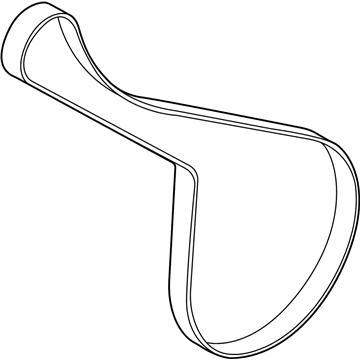
Volvo Serpentine Belt Part Number: 9487315
$45.25 MSRP: $67.44You Save: $22.19 (33%)Ships in 1-2 Business DaysProduct Specifications- Other Name: Belt; Drive Belt; Belt
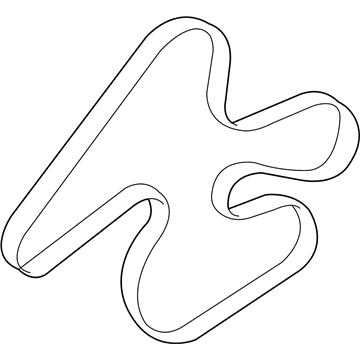
Volvo Serpentine Belt Part Number: 8653617
$45.25 MSRP: $67.44You Save: $22.19 (33%)Ships in 1-2 Business DaysProduct Specifications- Other Name: Belt; Drive Belt
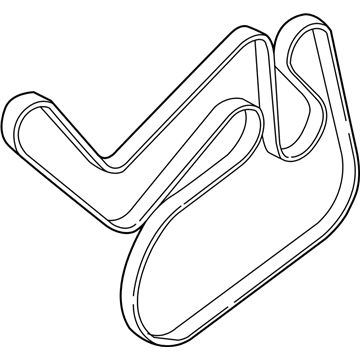
Volvo Serpentine Belt Part Number: 31430016
$45.25 MSRP: $67.44You Save: $22.19 (33%)Ships in 1-2 Business DaysProduct Specifications- Other Name: Belt; Drive Belt; Belt
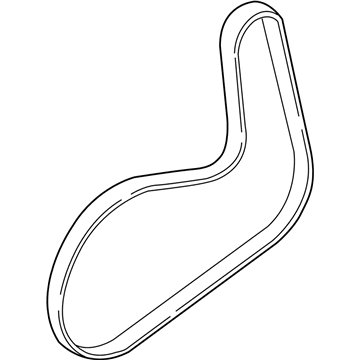
Volvo Serpentine Belt Part Number: 31430015
$45.25 MSRP: $67.44You Save: $22.19 (33%)Ships in 1-2 Business DaysProduct Specifications- Other Name: Belt; Drive Belt; Belt
- Replaces: 31316095
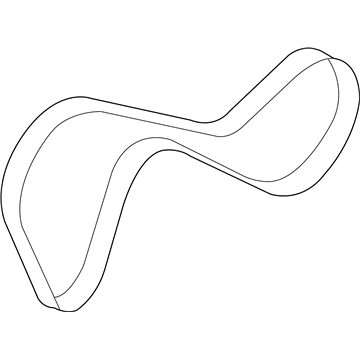
Volvo Serpentine Belt Part Number: 31251046
$45.25 MSRP: $67.44You Save: $22.19 (33%)Ships in 1-2 Business DaysProduct Specifications- Other Name: Belt; Drive Belt
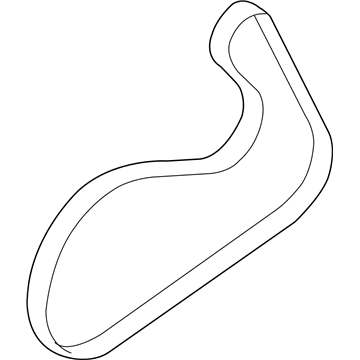
Volvo Serpentine Belt Part Number: 30777431
$45.25 MSRP: $67.44You Save: $22.19 (33%)Ships in 1-2 Business DaysProduct Specifications- Other Name: Belt; Drive Belt
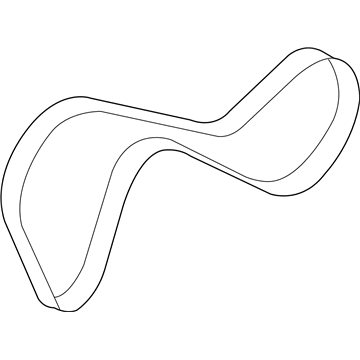
Volvo Serpentine Belt Part Number: 30757007
$45.25 MSRP: $67.44You Save: $22.19 (33%)Ships in 1-2 Business DaysProduct Specifications- Other Name: Belt; Drive Belt
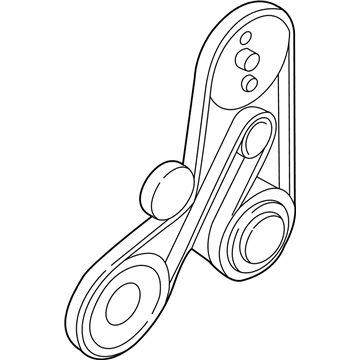
Volvo Serpentine Belt Part Number: 30731811
$45.25 MSRP: $67.44You Save: $22.19 (33%)Ships in 1-2 Business DaysProduct Specifications- Other Name: Belt; Drive Belt
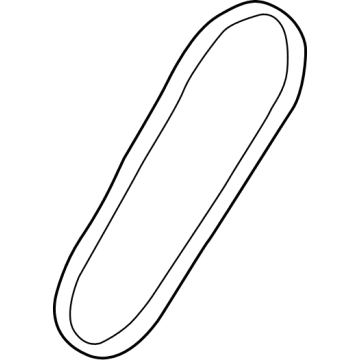
Volvo A/C Belt Part Number: 31430733
$48.52 MSRP: $72.31You Save: $23.79 (33%)Ships in 1-2 Business DaysProduct Specifications- Other Name: Belt; Serpentine Belt; Drive Belt; Belt, Water Pump Belt
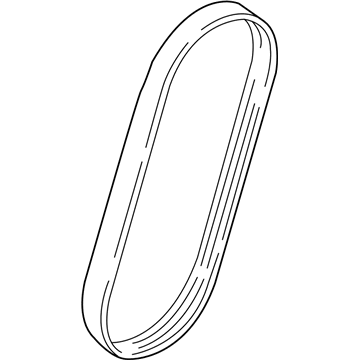
Volvo A/C Belt Part Number: 31325042
$48.52 MSRP: $72.31You Save: $23.79 (33%)Ships in 1-2 Business DaysProduct Specifications- Other Name: Belt; Serpentine Belt; Drive Belt; Belt
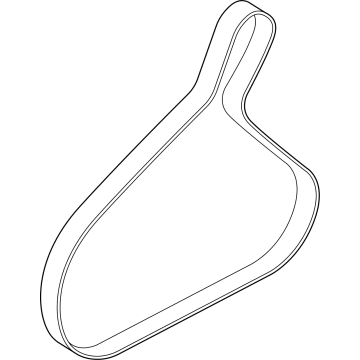
Volvo Serpentine Belt Part Number: 32325010
$51.31 MSRP: $76.48You Save: $25.17 (33%)Ships in 1-2 Business DaysProduct Specifications- Other Name: Belt; Drive Belt; Alternator Belt
- Replaces: 31430737, 32146438
Volvo Serpentine Belt Part Number: 9146973
$37.31 MSRP: $43.69You Save: $6.38 (15%)Ships in 1-2 Business DaysProduct Specifications- Other Name: Belt; Drive Belt
| Page 1 of 3 |Next >
1-20 of 46 Results
Volvo Drive Belt
The Volvo Drive Belt is an efficient way to transfer engine power to important components to ensure every ride is smooth and dependable. Volvo has earned its reputation on safety, minimalist Scandinavian design and a forward look for electrification, and these qualities combine to provide the owner with a vehicle that is both reassuring and modern. From its historic beginning with the first product, a car in Gothenburg in 1927, until today's offerings of cars, trucks and buses, Volvo is seeking innovations such as the three-point seat belt, intuitive controls, responsive brakes and advanced hybrid systems that lower emissions while maintaining confident performance. Every Volvo model embodies a commitment to comfort, clean design and simple technology, which appeals to drivers who wish to have advanced technology without unnecessary complexity. At the center of that easy-to-use design, the Drive Belt is a silent workhorse looping around pulleys at up to 98 percent efficiency so that the alternator, power steering pump and air conditioning compressor all get the steady motion without wasting fuel. Made with durable compounds that resist temperatures from minus 35 to 85 degrees Celsius, the Drive Belt shows resistance to fraying, absorbs sudden load changes, and accepts slight misalignment, which translates to dependable cold starts and quiet summer cruising across the entire brand. With a service life that can reach 100,000 miles while still being relatively simple to inspect for cracks or glazing, the Drive Belt provides cost-effective protection from overheating and component failure so your Volvo will take to the road with confidence.
Trust OEM Drive Belt for quality that holds up. These parts use top-tier materials to keep your ride running smooth. Because they match exact Volvo specs, you get a flawless fit and a hassle-free install every single time. No more fighting with parts that just won't line up. It is easy to search our massive stock of genuine Volvo options at prices you will really like. Every part comes with a real manufacturer's warranty and a simple return policy. Plus, we ship fast to get your order to you. Shop with confidence and give your Volvo the reliability it deserves.
Volvo Drive Belt Parts and Q&A
- Q:How should drive belts be inspected and maintained on Volvo 740?A:Inspect the bells for signs of glazing or cracking, a glazed belt will be perfectly smooth from slippage, a good bell will have a slight texture of fabric. Cracks will usually start at the inside edge of the belt and spread outward, thus requiring immediate replacement of any worn or damaged drive belts. As a preventive measure in service, it is advisable to replace all the drive belts at the same time. To check the tension of the drive belts depress a flat part of the belt between two components, proper tension is indicated by a movement of 1/4-3/8 of an inch otherwise adjustment or replacement is required if the belt is old and stretched. For V-belts, before making an adjustment, check the V-belt, loosen the adjustment bolts, and turn the accessory to increase the belt tension, and check the tensions when supporting the accessory. If the tension is satisfactory tighten adjusting bolts and recheck. In contrast, serpentine belts use an automatic drive belt tensioner, and therefore don't need any adjustment. For removal and installation of V-belts, disconnect the negative battery cable, loosen the mounting and adjusting bolts, and move the accessory to its loosest position, before removing the old belt. Check Pulleys Check for dirt and install the new belt with gentle pressure in the direction of rotation, adjust the tension, retighten the bolts, and reconnect the battery cable. For serpentine belts, get the negative battery cable disconnected and use a suitable tool to rotate the tensioner and release tension or remove the belt and note how it routs to the location of the new belt, then place the new belt around the accessories and crankshaft and make sure that the belt has the correct rout and has the correct tension then reattach the battery cable.
- Q:How is the correct drive belt tension maintained and what steps are involved in replacing the drive belt on Volvo V40?A:The correct drive belt tension is constantly maintained by an automatic adjuster and tensioner assembly, which is bolted to the front of the engine and has a spring-loaded idler pulley. To reach the power steering pump pulley, the metal guard from the pump casing needs to be unbolted and removed. The tensioner idler pulley must be released to allow for the removal of the drive belt; this is done by fitting a ring spanner to the center bolt of the idler pulley and rotating the spanner in a clockwise direction until the locking holes on the tensioner body become aligned. Limited access may necessitate supporting the front of the car on axle stands and removal of the left-hand front roadwheel followed by the wheel arch liner to get at it. Once the pulley has been held in the released position, using a metal rod or drill bit, the drive belt can be slipped off of all of the pulleys. The new belt should be placed over each pulley ensuring correct seating and the tensioner should be gradually released (after applying pressure with the spanner). The tensioner mechanism will automatically take up any free play and the engine is to be rotated to ensure that the belt is in location. After that, the metal guard over the power steering pump pulley should be reattached and securely tightened. For the GDI engine, the right-hand front roadwheel nuts should be loosened, the car jacked up, and the wheel removed for better access. The drive belt tension may be relieved by loosening the nut at the center of the tensioner pulley and turning the adjuster bolt. The new drive belt should be fitted around the pulleys and the tension should be set to obtain a total deflection of around 10 to 12 mm. The alternator drive belt can be removed after the power steering pump/air conditioning compressor drive belt and the new drive belt should be fitted and tensioned in the same way, and the tension checked and adjusted according to needs. Finally, the alternator pivot bolt nut should be tightened, the other drive belt refitted, and the engine undershields replaced before lowering the car.

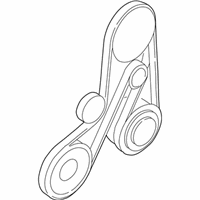
Related Volvo Parts
 Volvo Coolant Reservoir
 Volvo Water Pump
 Volvo Radiator
 Volvo Coolant Pipe
 Volvo Fan Motor
 Volvo Radiator fan
 Volvo Thermostat Housing
 Volvo Cooling Hose
 Volvo Idler Pulley Bolt
 Volvo Water Hose
 Volvo Water Pump Gasket
 Volvo Water Pump Pulley
Browse by Model
240 Drive Belt 244 Drive Belt 245 Drive Belt 740 Drive Belt 760 Drive Belt 780 Drive Belt 850 Drive Belt 940 Drive Belt 960 Drive Belt C30 Drive Belt C70 Drive Belt S40 Drive Belt S60 Cross Country Drive Belt S60 Drive Belt S70 Drive Belt S80 Drive Belt S90 Drive Belt V40 Drive Belt V50 Drive Belt V60 Cross Country Drive Belt V60 Drive Belt V70 Drive Belt V90 Cross Country Drive Belt V90 Drive Belt XC40 Drive Belt XC60 Drive Belt XC70 Drive Belt XC90 Drive Belt