×
- Hello
- Login or Register
- Quick Links
- Live Chat
- Track Order
- Parts Availability
- RMA
- Help Center
- Contact Us
- Shop for
- Volvo Parts

My Garage
My Account
Cart
Genuine Volvo Axle Shaft
Car Axle Shaft- Select Vehicle by Model
- Select Vehicle by VIN
Select Vehicle by Model
orMake
Model
Year
Select Vehicle by VIN
For the most accurate results, select vehicle by your VIN (Vehicle Identification Number).
153 Axle Shafts found
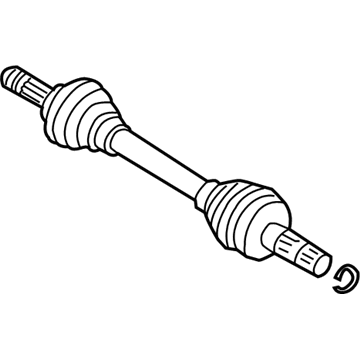
Volvo Axle Assembly Part Number: 36000930
$649.97 MSRP: $872.90You Save: $222.93 (26%)Ships in 1-2 Business DaysProduct Specifications- Other Name: Axle Shaft, External
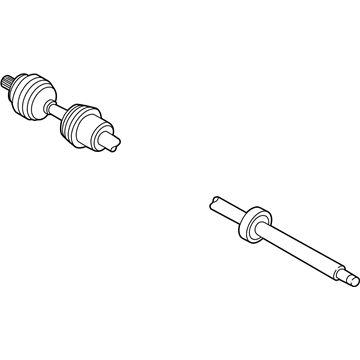
Volvo Axle Assembly, Passenger Side Part Number: 8252050
$650.49 MSRP: $872.90You Save: $222.41 (26%)Ships in 1-2 Business DaysProduct Specifications- Other Name: Axle Shaft, External; Axle Assembly
- Position: Passenger Side
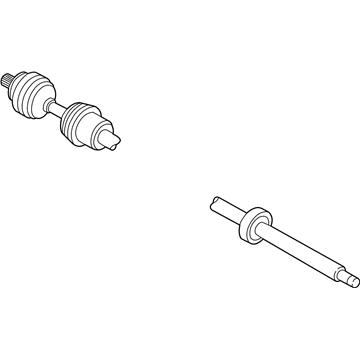
Volvo Axle Assembly, Passenger Side Part Number: 8252046
$650.49 MSRP: $872.90You Save: $222.41 (26%)Ships in 1-2 Business DaysProduct Specifications- Other Name: Axle Shaft, External; Axle Assembly
- Position: Passenger Side
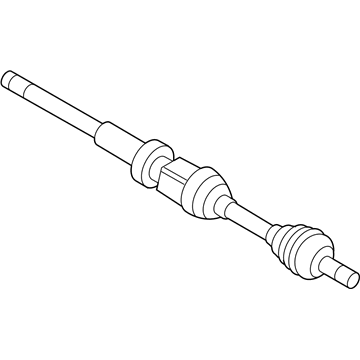
Volvo Axle Shaft, External Part Number: 36051324
$650.49 MSRP: $872.90You Save: $222.41 (26%)Ships in 1-2 Business DaysProduct Specifications- Other Name: AXLE SHAFT, EX; Axle Assembly
- Position: Passenger Side
- Replaces: 36012419
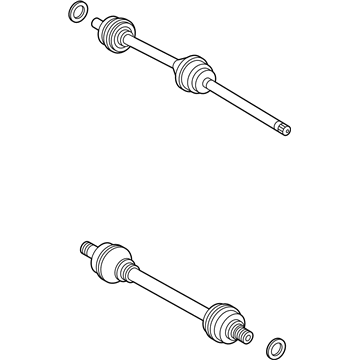
Volvo Axle Assembly, Passenger Side Part Number: 36012995
$650.49 MSRP: $872.90You Save: $222.41 (26%)Ships in 1-2 Business DaysProduct Specifications- Other Name: Axle Shaft, External; Axle Assembly
- Position: Passenger Side
Volvo Axle Assembly, Passenger Side Part Number: 36012733
$650.49 MSRP: $872.90You Save: $222.41 (26%)Ships in 1-2 Business DaysProduct Specifications- Other Name: Axle Shaft, External; Axle Assembly
- Position: Passenger Side
- Replaces: 36012674, 36010174
Volvo Axle Assembly, Driver Side Part Number: 36012732
$650.49 MSRP: $872.90You Save: $222.41 (26%)Ships in 1-2 Business DaysProduct Specifications- Other Name: Axle Shaft, External; Axle Assembly
- Position: Driver Side
- Replaces: 36010173
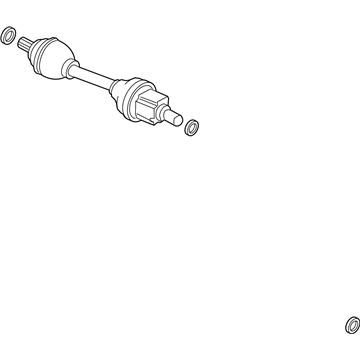
Volvo Axle Assembly, Driver Side Part Number: 36012055
$650.49 MSRP: $872.90You Save: $222.41 (26%)Ships in 1-2 Business DaysProduct Specifications- Other Name: Axle Shaft, External; Axle Assembly
- Position: Driver Side
- Replaced by: 36011818
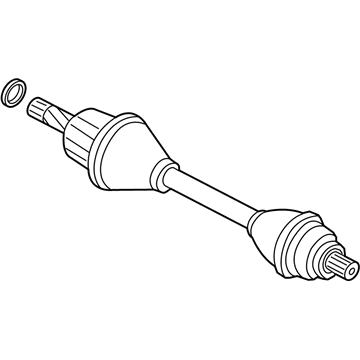
Volvo Axle Shaft, External Part Number: 36012054
$650.49 MSRP: $872.90You Save: $222.41 (26%)Ships in 1-2 Business DaysProduct Specifications- Other Name: AXLE SHAFT, EX; Axle Assembly
- Position: Driver Side
- Replaces: 36011805, 36011789, 36010175
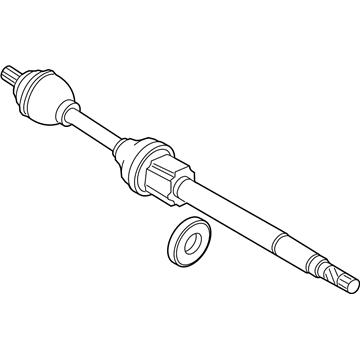
Volvo Axle Assembly, Passenger Side Part Number: 36011808
$650.49 MSRP: $872.90You Save: $222.41 (26%)Ships in 1-2 Business DaysProduct Specifications- Other Name: Axle Shaft, External; Axle Assembly
- Position: Passenger Side
- Replaces: 36011791, 36010176, 36010222
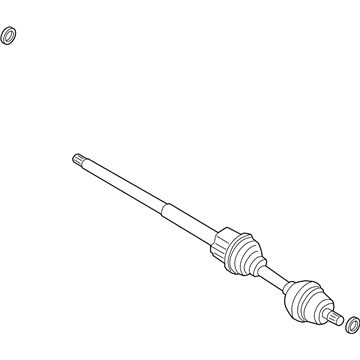
Volvo Axle Assembly, Passenger Side Part Number: 36011806
$650.49 MSRP: $872.90You Save: $222.41 (26%)Ships in 1-2 Business DaysProduct Specifications- Other Name: Axle Shaft, External; Axle Assembly
- Position: Passenger Side
- Replaces: 36011790, 36010141, 36010220
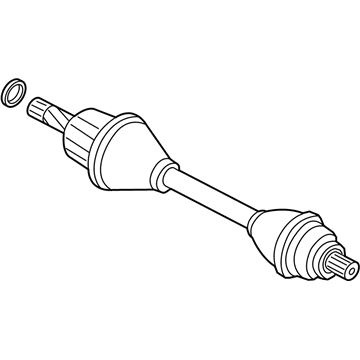
Volvo Axle Assembly, Driver Side Part Number: 36011804
$650.49 MSRP: $872.90You Save: $222.41 (26%)Ships in 1-2 Business DaysProduct Specifications- Other Name: Axle Shaft, External; Axle Assembly
- Position: Driver Side
- Replaces: 36010583
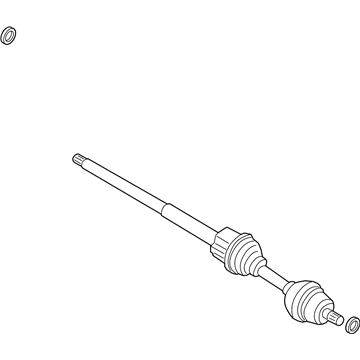
Volvo Axle Assembly, Passenger Side Part Number: 36011792
$650.49 MSRP: $872.90You Save: $222.41 (26%)Ships in 1-2 Business DaysProduct Specifications- Other Name: Axle Shaft, External; Axle Assembly
- Position: Passenger Side
- Replaced by: 36011814
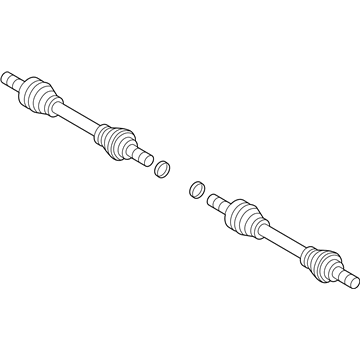
Volvo Axle Assembly Part Number: 36011788
$650.49 MSRP: $872.90You Save: $222.41 (26%)Ships in 1-2 Business DaysProduct Specifications- Other Name: Axle Shaft, External
- Replaces: 36003233
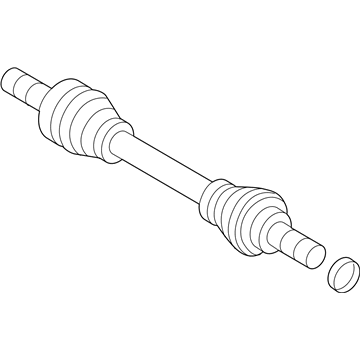
Volvo Axle Assembly Part Number: 36011787
$650.49 MSRP: $872.90You Save: $222.41 (26%)Ships in 1-2 Business DaysProduct Specifications- Other Name: Axle Shaft, External
- Replaces: 36010091
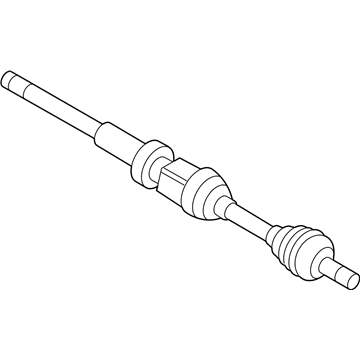
Volvo Axle Assembly, Passenger Side Part Number: 36011299
$650.49 MSRP: $872.90You Save: $222.41 (26%)Ships in 1-2 Business DaysProduct Specifications- Other Name: Axle Shaft, External; Axle Assembly
- Position: Passenger Side
Volvo Axle Assembly, Passenger Side Part Number: 36011220
$650.49 MSRP: $872.90You Save: $222.41 (26%)Ships in 1-2 Business DaysProduct Specifications- Other Name: Axle Shaft, External; Axle Assembly
- Position: Passenger Side
- Replaces: 36012595
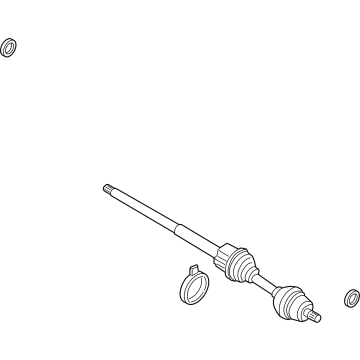
Volvo Axle Assembly, Passenger Side Part Number: 36003649
$650.49 MSRP: $872.90You Save: $222.41 (26%)Ships in 1-2 Business DaysProduct Specifications- Other Name: Axle Shaft, External; Axle Assembly
- Position: Passenger Side
- Replaces: 36003235, 36011784
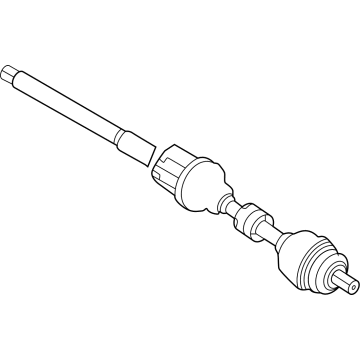
Volvo Axle Assembly, Passenger Side Part Number: 36003641
$650.49 MSRP: $872.90You Save: $222.41 (26%)Ships in 1-2 Business DaysProduct Specifications- Other Name: Axle Shaft, External; Axle Assembly
- Position: Passenger Side
- Replaces: 36012906, 36011781
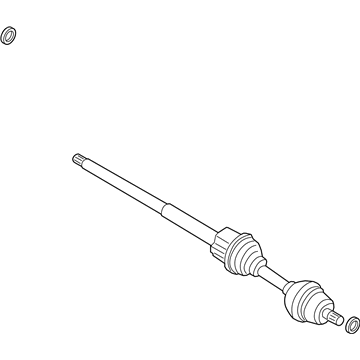
Volvo Axle Assembly, Passenger Side Part Number: 36003640
$650.49 MSRP: $872.90You Save: $222.41 (26%)Ships in 1-2 Business DaysProduct Specifications- Other Name: Axle Shaft, External; Axle Assembly
- Position: Passenger Side
- Replaces: 36010127, 36010221, 36011782, 36012827
| Page 1 of 8 |Next >
1-20 of 153 Results
Volvo Axle Shaft
Volvo Axle Shaft transmits engine power to the wheels and keeps them in alignment, giving every driver smooth takeoffs and sure-footed cornering. Volvo started out in 1927 in Gothenburg and has since made a name for itself in safety innovation, from the iconic three-point seat belt to intuitive braking systems and clear instrumentation to help drivers stay informed without distraction. Volvo embraces clean Scandinavian design, simple cabin controls and forward-looking electrification programs that include plug-in hybrids, proving that style, responsibility and comfort can go together. The company also follows strict quality specifications so every vehicle feels solid, dependable and ready to take you far in challenging climates, a legacy cherished by families as well as commuters. The Axle Shaft itself plays a vital role within this lineup as it routes the torque that came from the differential to each of the rear wheels, whereby the wheels can turn at different speeds when turning but are still firmly supported on straight roads. Built from strong steel and riding on strong roller bearings, each Axle Shaft resists bending and contributes to preserving that classic Volvo ride quality. Updated seals trap lubricant in place, preventing brake parts from being contaminated and reducing noise and vibration over time. Because of the balance of strength and cost that the Axle Shaft provides with a semi-floating setup, it supports the enduring reliability for which Volvo cars are well known.
Trust OEM Axle Shaft for quality that holds up. These parts use top-tier materials to keep your ride running smooth. Because they match exact Volvo specs, you get a flawless fit and a hassle-free install every single time. No more fighting with parts that just won't line up. It is easy to search our massive stock of genuine Volvo options at prices you will really like. Every part comes with a real manufacturer's warranty and a simple return policy. Plus, we ship fast to get your order to you. Shop with confidence and give your Volvo the reliability it deserves.
Volvo Axle Shaft Parts and Q&A
- Q:How to remove the wheel and dismantle the axle shaft on Volvo 244?A:Jack up the car and remove the wheel. If removing the axle shafts as a preliminary to dismantling the back axle, take note of the jacking remarks. Unbolt and remove the brake calipers and brake disc. Remove the parking brake shoes and their associated mechanism. Remove the bolts securing the brake backing plate to the back axle casing, accessible through holes in the axle shaft flange. The axle shaft can now be withdrawn, along with its bearing and the retaining plate bolted to the rear axle casing. A little judicious tapping with a hammer on a drift applied behind the flange may be necessary to start it off, but generally it presents no difficulty.
- Q:What are the steps and recommendations for servicing the axle shaft on on Volvo 740?A:For servicing the rear axle shaft, use API GL-5, MIL-L-2105 B or C or equivalent with a viscosity rating of SAE 90 and make the switch to SAE 80 when temperatures are below 15degF (-10degC). Ensure the usage of oils with the correct additives for vehicles that have a limited slip differential. Check the fluid level at 10,000-mile (16,000 km) intervals by: Safely raising the vehicle, removing the rear axle shaft level plug, checking that the oil level is up to the plug hole, topping up if required, reinstalling the plug, and lowering the vehicle. Drain and refill the rear axle shaft housing every 100,000 miles (161,000 km) or after driving in high water. While some fluid can be removed by a suction gun, it is best practice to remove the back cover to get rid of contaminants. Begin by driving the vehicle until the lubricant is warmed to normal operating temperature and then safely raise and support the vehicle by means of jacks ensuring that the vehicle is level. Clean around the differential with a wire brush to prevent dirt contamination, place a drain pan under the rear axle shaft and loosen all but one or two of the retaining bolts on the rear cover. Carefully break the gasket seal and allow the lubricant to drain, and remove the final bolts and separate the cover. Clean the gasket mating surfaces of the cover and axle shaft housing, fit the rear cover with a new gasket and sealant, and tighten the bolts in a crisscross pattern. Check the vehicle to make sure it is level before adding the correct grade and amount of lubricant, then place the filler plug and lower the vehicle if needed and check for leaks after operation.

Related Volvo Parts
 Volvo CV Boot
 Volvo Drive Shaft
 Volvo Axle Shaft Seal
 Volvo CV Joint Companion Flange
 Volvo Differential Bearing
 Volvo Differential Cover
 Volvo Differential Cover Gasket
 Volvo Differential Seal
 Volvo Driveshaft Center Support Bearing
 Volvo Radius Arm Bushing
 Volvo Ring And Pinion
 Volvo Universal Joint
Browse by Model
240 Axle Shaft 244 Axle Shaft 245 Axle Shaft 740 Axle Shaft 760 Axle Shaft 780 Axle Shaft 850 Axle Shaft 940 Axle Shaft 960 Axle Shaft C30 Axle Shaft C40 Recharge Axle Shaft C70 Axle Shaft EC40 Axle Shaft EX30 Axle Shaft EX90 Axle Shaft S40 Axle Shaft S60 Axle Shaft S60 Cross Country Axle Shaft S70 Axle Shaft S80 Axle Shaft S90 Axle Shaft V40 Axle Shaft V50 Axle Shaft V60 Axle Shaft V60 Cross Country Axle Shaft V70 Axle Shaft V90 Axle Shaft V90 Cross Country Axle Shaft XC40 Axle Shaft XC40 Recharge Axle Shaft XC60 Axle Shaft XC70 Axle Shaft XC90 Axle Shaft