×
- Hello
- Login or Register
- Quick Links
- Live Chat
- Track Order
- Parts Availability
- RMA
- Help Center
- Contact Us
- Shop for
- Volvo Parts

My Garage
My Account
Cart
Genuine Volvo Relay Boxes
Relay Block- Select Vehicle by Model
- Select Vehicle by VIN
Select Vehicle by Model
orMake
Model
Year
Select Vehicle by VIN
For the most accurate results, select vehicle by your VIN (Vehicle Identification Number).
37 Relay Boxes found


Volvo Relay Box Part Number: 30659157
$10.86 MSRP: $13.90You Save: $3.04 (22%)Ships in 1-2 Business DaysProduct Specifications- Other Name: Relay Retainer; Junction Boxes; Relay Boxes; Retainer

Volvo Relay Box Part Number: 30728629
$10.86 MSRP: $13.90You Save: $3.04 (22%)Ships in 1-2 Business DaysProduct Specifications- Other Name: Relay Retainer; Junction Boxes; Relay Boxes; Fuse Box; Retainer

Volvo Fuse Holder Part Number: 30728630
$10.86 MSRP: $13.90You Save: $3.04 (22%)Ships in 1-2 Business DaysProduct Specifications- Other Name: Relay Boxes; Mini Fuse

Volvo Relay Plate, Black Part Number: 30765336
$10.86 MSRP: $13.90You Save: $3.04 (22%)Ships in 1-2 Business DaysProduct Specifications- Other Name: Relay Retainer; Junction Boxes; Relay Boxes; Fuse Box; Fuse & Relay Box, Relay Plate
Volvo Relay Plate, Beige Part Number: 30765431
$10.86 MSRP: $13.90You Save: $3.04 (22%)Ships in 1-2 Business DaysProduct Specifications- Other Name: Relay Retainer; Junction Boxes; Relay Boxes; Fuse Box; Fuse & Relay Box, Relay Plate
Volvo Relay Plate, Gray Part Number: 30765434
$10.86 MSRP: $13.90You Save: $3.04 (22%)Ships in 1-2 Business DaysProduct Specifications- Other Name: Relay Retainer; Junction Boxes; Relay Boxes; Fuse Box; Fuse & Relay Box, Relay Plate
Volvo Relay Plate, Blue Part Number: 30765437
$10.86 MSRP: $13.90You Save: $3.04 (22%)Ships in 1-2 Business DaysProduct Specifications- Other Name: Relay Retainer; Junction Boxes; Relay Boxes; Fuse Box; Fuse & Relay Box, Relay Plate


Volvo Electronic Control Part Number: 30656936
$28.73 MSRP: $36.80You Save: $8.07 (22%)Ships in 1-2 Business DaysProduct Specifications- Other Name: Electronics Box; Junction Boxes; Relay Boxes; Fuse Box; Box, Module

 Product Specifications
- Other Name: Junction Boxes; Relay Boxes; Fuse Box

Volvo Fuse Holder Part Number: 30728628
$28.73 MSRP: $36.80You Save: $8.07 (22%)Ships in 1-2 Business DaysProduct Specifications- Other Name: Relay Boxes

Volvo Fuse Holder Part Number: 31110064
$28.73 MSRP: $36.80You Save: $8.07 (22%)Ships in 1-2 Business DaysProduct Specifications- Other Name: Relay Boxes
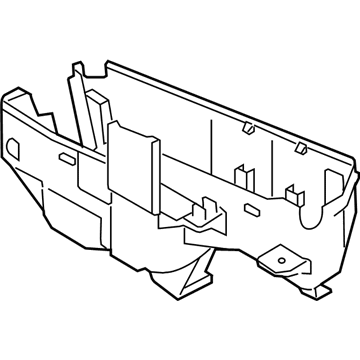
 Product Specifications
- Other Name: Junction Boxes; Relay Boxes; Fuse Box


Volvo Relay Box Part Number: 30870947
$33.29 MSRP: $38.98You Save: $5.69 (15%)Ships in 1-2 Business DaysProduct Specifications- Other Name: Junction Boxes; Relay Boxes; Fuse Box
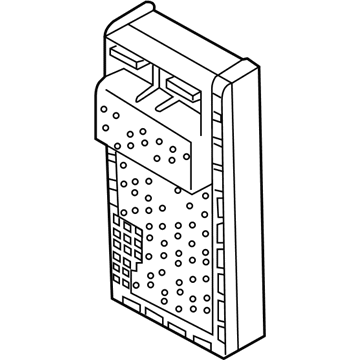

Volvo Fuse Box Part Number: 8637669
$43.10 MSRP: $55.20You Save: $12.10 (22%)Ships in 1-2 Business DaysProduct Specifications- Other Name: Junction Boxes; Relay Boxes; Module
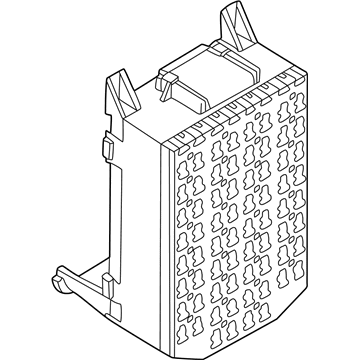

Volvo Fuse Box Part Number: 9162439
$43.10 MSRP: $55.20You Save: $12.10 (22%)Ships in 1-2 Business DaysProduct Specifications- Other Name: Junction Boxes; Relay Boxes
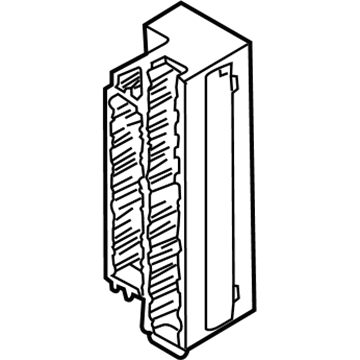
Volvo Fuse Box Part Number: 9162884
$43.10 MSRP: $55.20You Save: $12.10 (22%)Ships in 1-2 Business DaysProduct Specifications- Other Name: Junction Boxes; Relay Boxes
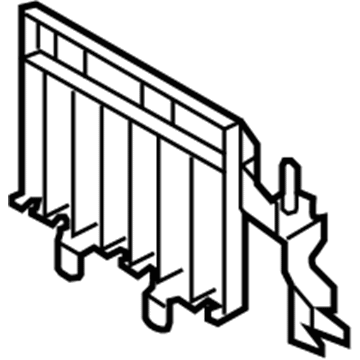
Volvo Fuse Holder Part Number: 30728627
$61.77 MSRP: $79.76You Save: $17.99 (23%)Ships in 1-2 Business DaysProduct Specifications- Other Name: Relay Boxes
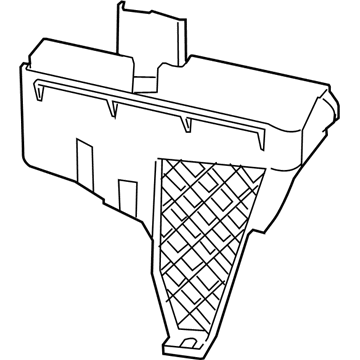
Volvo Distribution Box Part Number: 30728132
$117.18 MSRP: $151.32You Save: $34.14 (23%)Ships in 1-2 Business DaysProduct Specifications- Other Name: Electronics Box; Junction Boxes; Relay Boxes; Fuse Box; Box Assembly, Relay Box
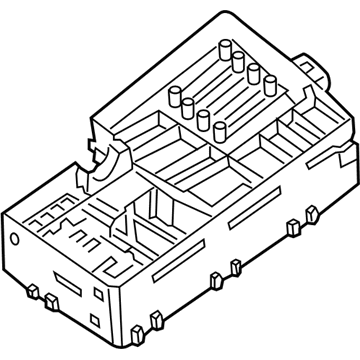
Volvo Fuse & Relay Box Part Number: 8688040
$72.18 MSRP: $92.48You Save: $20.30 (22%)Ships in 1-2 Business DaysProduct Specifications- Other Name: Frame; Junction Boxes; Relay Boxes; Fuse Box
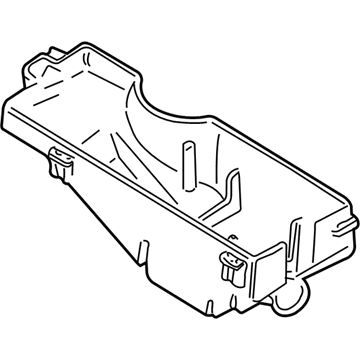
 Product Specifications
- Other Name: Junction Boxes; Relay Boxes; Fuse Box
| Page 1 of 2 |Next >
1-20 of 37 Results
Volvo Relay Boxes
Volvo Relay Boxes direct stable electricity throughout the car, preventing any component from being affected by a surge of electricity while ensuring consistent performance. These miniature Relay Boxes fit inside a sealed fuse compartment, and their hard plastic walls and clear circuit map allow drivers to identify and replace a relay in minutes, saving time and avoiding any larger electrical failure. Each unit has strong internal contacts that deal with the loads of modern times in LED lighting and infotainment gear, but the design is both light and space efficient. Since the enclosure shelters against heat, vibration, and moisture, Volvo owners are less likely to have a sudden gadget shutdown, and since the materials are upgraded, the Relay Boxes last longer before corrosion or warping can take hold. By maintaining a steady and organized current, the system quietly goes about supporting safe, comfortable travel for years. Volvo began building cars in 1927 and has since earned a global reputation for safety, clean Scandinavian styling, and clever engineering that puts people first. Its reliable Relay Boxes fit into the overall architecture of the electrical system. The company pioneered the three-point seat belt, provides advanced braking systems and intuitive dashboards, and now moves forward with the testing of electric powertrains and plug-in hybrid cars that lower emissions without compromising driving pleasure. A typical Volvo has simple controls that reduce distraction, solid body structures that absorb energy from an impact, and comfort features that make long trips a relaxing experience. Continuous innovation, attention to world needs, and commitment to sustainability make Volvo a trusted choice among families, commuters, and enthusiasts alike.
Trust OEM Relay Boxes for quality that holds up. These parts use top-tier materials to keep your ride running smooth. Because they match exact Volvo specs, you get a flawless fit and a hassle-free install every single time. No more fighting with parts that just won't line up. It is easy to search our massive stock of genuine Volvo options at prices you will really like. Every part comes with a real manufacturer's warranty and a simple return policy. Plus, we ship fast to get your order to you. Shop with confidence and give your Volvo the reliability it deserves.
Volvo Relay Boxes Parts and Q&A
- Q: Where can you find Fuse Box and Relay Boxes, and how can they be accessed and tested on Volvo V40?A:Fuses are in the fusebox behind the bottom cover on the driver's side of the facia panel and more fuses are in the fuse/relay box in the left rear of the engine compartment. Accessing the fusebox requires removing the cover clipping from the drivers side lower facia panel and engine compartment fuses require a retaining clip to be released to remove the cover from the fuse/relay box. The cover gives a listing of circuits protected by each of the fuses. To remove a fuse, turn off the relevant circuit or ignition then using the fuse removal tool attached to the cover pull the fuse out, a blown fuse will have a broken or melted wire. Always replace a fuse with one of the same rating as the fuse on it - the rating is also color coded for easy identification. If there is an immediate fuse blow, investigate the cause, which is likely to be due to faulty insulation, and isolate the defect by testing each circuit. Spare fuses of every rating should be kept in the car. Relays are mostly found behind the driver's side facia lower panel, upper half of the fusebox and a separate holder next to it with the exceptions of the window wiper relay and driver's side window automatic relay. Accessing relays inside the car behind the facia requires the removal of retaining screws and disconnection of the wiring connector from the footlight, whereas those in the engine compartment can be accessed by removing the cover from the fuse/relay box. To test a relay, try to operate the system; a functioning relay will click when energized which will indicate the fault is somewhere else if it does not. Replacing a relay is done by ensuring that the ignition is off then removing the old relay and pushing in the new one, since relays are designed to be push-fit into their holders.
- Q: Where can you find Fuse Box and Relay Boxes, and how should they be handled if blown or faulty on Volvo V70?A:Fuses can be found at the central fusebox in the engine compartment on the passenger's side, in the fusebox for the passenger cabin found under a panel on the right-hand end of the facia for RHO models and the left side of the luggage compartment. If a fuse blows, the electrical circuits the fuse protects will cease to function with specific fuse positions and protected circuits depending on the vehicle specification, model year and country. To remove a fuse, turn off the ignition, remove the cover on the central fusebox and use the plastic removal tool provided to remove the fuse; if the blown fuse has a broken or melted wire within it. Always replace a fuse with a similarly rated one to avoid fire hazards and constant blowing is an indication that there is a fault in the protected circuit. Blown fuses may also be caused by short-circuits from wiring, so look for trapped or frayed wires, as well as damaged connectors. Only blade type fuses should be replaced by DIY mechanics whilst blown large fusible links indicate serious electrical faults and need to be professionally diagnosed. Relays are used as electrically-operated switches and provide for remote switching of heavy currents, multiple control inputs, and timer functions. If a circuit has a relay in it and it fails, the relay could be at fault: one basic test is if there's a click when an item is switched on. Most relays have four or five terminals for current supply and output and testing should ensure all connections are supplying expected voltage. Substitution with a known good relay is the ultimate test, but caution is needed as similar looking relays may not be identical. Relays are found in the central and main fuseboxes, and at the luggage compartment fusebox and to remove a relay, make sure the ignition was off before pulling out the relay from its socket and pushing in the new relay firmly to refit.
Related Volvo Parts
 Volvo Oxygen Sensor
 Volvo Air Bag
 Volvo Ignition Coil
 Volvo Crankshaft Position Sensor
 Volvo Throttle Position Sensor
 Volvo Air Bag Clockspring
 Volvo Air Bag Control Module
 Volvo Air Bag Sensor
 Volvo Coolant Temperature Sensors
 Volvo Ignition Control Module
 Volvo Junction Boxes
 Volvo Rear Window Defroster Relay
Browse by Model
C30 Relay Boxes C40 Recharge Relay Boxes C70 Relay Boxes S40 Relay Boxes S60 Cross Country Relay Boxes S60 Relay Boxes S80 Relay Boxes S90 Relay Boxes V40 Relay Boxes V50 Relay Boxes V60 Cross Country Relay Boxes V60 Relay Boxes V70 Relay Boxes V90 Cross Country Relay Boxes V90 Relay Boxes XC40 Recharge Relay Boxes XC40 Relay Boxes XC60 Relay Boxes XC70 Relay Boxes XC90 Relay Boxes