×
- Hello
- Login or Register
- Quick Links
- Live Chat
- Track Order
- Parts Availability
- RMA
- Help Center
- Contact Us
- Shop for
- Volvo Parts

My Garage
My Account
Cart
Genuine Volvo V50 Fuel Tank
Gas Tank- Select Vehicle by Model
- Select Vehicle by VIN
Select Vehicle by Model
orMake
Model
Year
Select Vehicle by VIN
For the most accurate results, select vehicle by your VIN (Vehicle Identification Number).
2 Fuel Tanks found
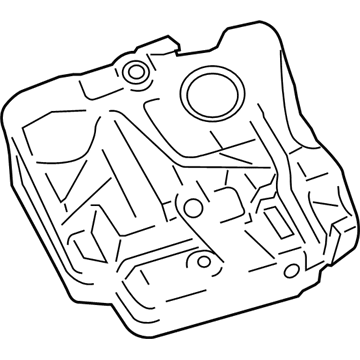
Volvo V50 Fuel Tank Part Number: 31261723
$566.34 MSRP: $737.42You Save: $171.08 (24%)Ships in 1-2 Business Days
Volvo V50 Fuel Tank Part Number: 30794713
$566.34 MSRP: $737.42You Save: $171.08 (24%)Ships in 1-2 Business Days
Volvo V50 Fuel Tank
The Volvo V50 Fuel Tank has the ability to hold gasoline in a safe supply to the engine, prevent vapor from escaping, and provide a stable supply even during sharp maneuvers; thus, it is a necessary all-in-one storage and delivery unit. Inside the Volvo Fuel Tank has the electric fuel pump and level sender, so the wagon can fuel up and indicate its gauge reading from just one safe location. The Volvo Fuel Tank's internal baffles reduce sloshing and eliminate air pockets, suppressing noise, and the sealed connections between the tank and the EVAP system direct the fumes through special lines rather than into the air. Two Fuel Tank builds have been seen through the production run of the model; stamped-and-welded steel and blow-molded high-density polyethylene plastic. Steel offers great structural stability; however, it will become leaky once it corrodes internally or externally due to prolonged exposure to the salts and water present on the roads. Plastic does not rust or lose weight, but extreme temperature changes or rough blows can crack the surface. Both models are mounted directly under the car on metal straps that do not shield them in the same way that the tank does against rain, dirt, and ice, meaning that the integrity of the straps is crucial to a secure mount. Every new unit comes out of the factory with pressure testing done and a new locking ring and seal to ensure that it fits firmly at the filler neck. Second-generation V50 owners enjoy the same vapor control, position of the pump, and the same baffle benefits regardless of whether their Volvo tank is made of steel or plastic.
OEM parts are the only choice for top quality and real functionality. They pass strict checks, and they match Volvo's factory specs, so installation is easy. If you need new Fuel Tank and you want quality and fit. You will find both here. Our site has a wide range of OEM Volvo V50 parts. The prices are unbeatable, allowing you to get value for money. Each genuine V50 Fuel Tank comes with the manufacturer's warranty. That gives you peace of mind. We ship fast to your door. Order today, and enjoy a smooth, no-hassle upgrade with parts that fit right.
Volvo V50 Fuel Tank Parts and Q&A
- Q:What precautions should be observed before working on the fuel tank for diesel engines on Volvo V50?A:Before working on any of the components in the fuel system, follow the precautions. In order to remove the tank, it is necessary to first drain as much of the fuel as possible, to reduce risks due to fuel handling and storage. Disconnect the battery negative lead then loosen the bolts from the left rear roadwheel, chock the front wheels, jack up the rear of the vehicle, support it on axle stands, and remove the roadwheel. Disconnect the intermediate/rear section of the exhaust system at the connection behind the catalytic converter and unhook the rubber mountings, supporting the front section so as not to put a strain on the flexible part. Remove the heat shield to reach the fuel pipes by undoing the plastic nuts then loosen the clips and disconnect the fuel filler and breather pipes, being prepared for spillage of fuel. Remove the fuel pipes from the front of the tank by prising up the locking catches and depressing the buttons. Position a trolley jack under the center of the tank with a protective wooden pad and then raise the jack to take the weight of the tank. Undo the tank retaining straps and carefully lower the jack and tank slightly, disconnect the fuel sender unit wiring connector and the fuel connections from the sender unit by depressing the locking collars. Lower the jack and the tank to get it out from under the car. If the tank is contaminated with sediment or water, remove the gauge sender unit and swish the tank out with clean fuel. The tank, which is made from synthetic material, should be renewed if damaged, although minor repairs may be possible, consult a dealer or specialist for advice. When fitting a new tank transfer all components from old tank changing the seal and plastic nut for the gauge sender unit as they may not seal properly if reused. Refitting is a reverse of removal, making sure to reconnect the sender unit wiring plug before the tank is raised to its final position and bleeds the fuel system upon completion.