×
- Hello
- Login or Register
- Quick Links
- Live Chat
- Track Order
- Parts Availability
- RMA
- Help Center
- Contact Us
- Shop for
- Volvo Parts

My Garage
My Account
Cart
Genuine Volvo Spark Plug
Ignition Spark Plug- Select Vehicle by Model
- Select Vehicle by VIN
Select Vehicle by Model
orMake
Model
Year
Select Vehicle by VIN
For the most accurate results, select vehicle by your VIN (Vehicle Identification Number).
10 Spark Plugs found
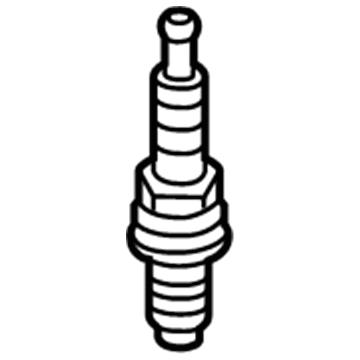
Volvo Spark Plug Part Number: 8692072
$66.36 MSRP: $99.70You Save: $33.34 (34%)Ships in 1-2 Business DaysProduct Specifications- Other Name: Spark Plug Kit; High Ignitability Spark Plug
Volvo Spark Plug Part Number: 8692071
$68.04 MSRP: $102.23You Save: $34.19 (34%)Ships in 1-2 Business DaysProduct Specifications- Other Name: Spark Plug Kit; High Ignitability Spark Plug
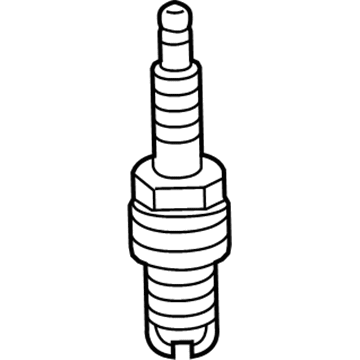
Volvo Spark Plug Part Number: 31361653
$71.39 MSRP: $107.27You Save: $35.88 (34%)Ships in 1-2 Business DaysProduct Specifications- Other Name: Spark Plug Kit
Volvo Spark Plug Part Number: 31312691
$71.39 MSRP: $107.27You Save: $35.88 (34%)Ships in 1-2 Business DaysProduct Specifications- Other Name: Spark Plug Kit; High Ignitability Spark Plug
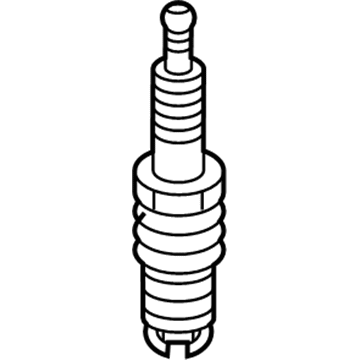
Volvo Spark Plug Part Number: 30751806
$71.39 MSRP: $107.27You Save: $35.88 (34%)Ships in 1-2 Business DaysProduct Specifications- Other Name: Spark Plug Kit; High Ignitability Spark Plug
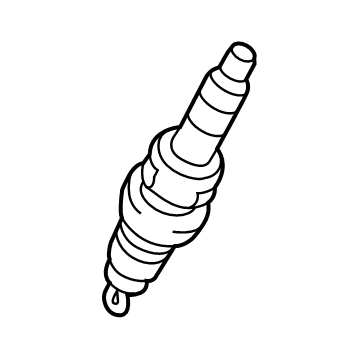
Volvo Spark Plug Part Number: 32290011
$77.27 MSRP: $116.11You Save: $38.84 (34%)Ships in 1-2 Business DaysProduct Specifications- Other Name: Spark Plug Kit
- Replaces: 31673604, 31380014
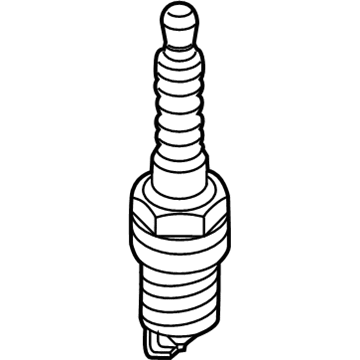
Volvo Spark Plug Part Number: 31286359
$86.50 MSRP: $129.99You Save: $43.49 (34%)Ships in 1-2 Business DaysProduct Specifications- Other Name: Spark Plug Kit; High Ignitability Spark Plug
Volvo Spark Plug Part Number: 31216183
$86.50 MSRP: $129.99You Save: $43.49 (34%)Ships in 1-2 Business DaysProduct Specifications- Other Name: Spark Plug Kit; High Ignitability Spark Plug
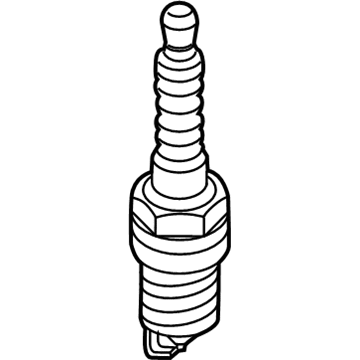
Volvo Spark Plug Part Number: 30751805
$86.50 MSRP: $129.99You Save: $43.49 (34%)Ships in 1-2 Business DaysProduct Specifications- Other Name: Spark Plug Kit; High Ignitability Spark Plug
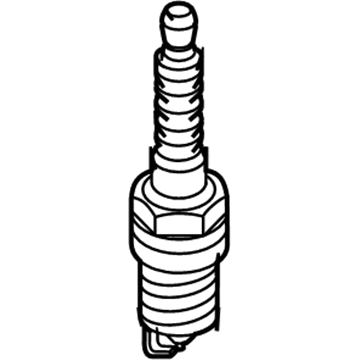
Volvo Spark Plug Part Number: 30731383
$86.50 MSRP: $129.99You Save: $43.49 (34%)Ships in 1-2 Business DaysProduct Specifications- Other Name: Spark Plug Kit; High Ignitability Spark Plug
Volvo Spark Plug
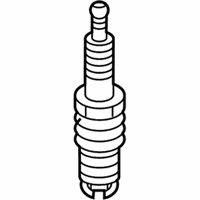
Volvo Spark Plug provides the exact electric spark that ignites the fuel for smooth power in every vehicle. Volvo established its reputation for safety by creating the three-point seat belt, and that same dedication is reflected in its clean design, intuitive controls, and ever-expanding line of efficient electric and hybrid drivetrains that cater to families and enthusiasts alike. From robust trucks to luxurious sedans, Volvo combines sensitive brakes and easy-to-read instrumentation to give drivers confidence no matter where they drive, and highly advanced materials and stringent Swedish engineering standards to keep cabins quiet, comfortable, and secure. These brand-wide advantages make for a perfect environment in dependable performance parts, and the Spark Plug is a key contributor to ensure that promise. A Spark Plug threads into the cylinder head, its metal case draws away excessive heat, the ceramic insulator helps safeguard the charge, and the center electrode jumps a measured gap so the fuel-air mixture lights instantly. If electrodes wear or carbon builds up, plugs may misfire and cause rough starts or reduced mileage, so installing the right heat range Spark Plug and checking the gap with a simple gauge is helpful for every Volvo to run efficiently. Regular replacement of each plug ensures that acceleration is crisp and contributes to the long-lasting durability that Volvo drivers come to expect.
Trust OEM Spark Plug for quality that holds up. These parts use top-tier materials to keep your ride running smooth. Because they match exact Volvo specs, you get a flawless fit and a hassle-free install every single time. No more fighting with parts that just won't line up. It is easy to search our massive stock of genuine Volvo options at prices you will really like. Every part comes with a real manufacturer's warranty and a simple return policy. Plus, we ship fast to get your order to you. Shop with confidence and give your Volvo the reliability it deserves.
Volvo Spark Plug Parts and Q&A
- Q:What is the importance of spark plugs for engine efficiency and what steps should be followed for their maintenance and replacement on Volvo S40?A:The correct functioning of spark plugs is critical to the efficiency of the engines and it is critical that the correct plugs are fitted. If the correct type is used, and the engine is in good condition, spark plugs usually need no attention between scheduled periods of renewal, and cleaning should only be attempted by the use of special equipment to avoid damage. Removal and refitting of spark plugs requires a spark plug socket with rubber sleeve to protect it and some feeler blades to check the electrode gap and ideally a torque wrench to provide the proper tension of the spark plugs. For 1.8 and 2.0 litre models, start by opening the bonnet and removing the plastic cover to access the plugs and identify the ignition coils, then remove them. For 2.4 litre models, remove the air intake hose, raise the upper intake manifold and remove the timing belt upper cover prior to accessing the ignition coils. It is advisable that when removing the spark plug that the recesses should be cleaned to prevent any dirt or water from getting into the cylinders. Unscrew the plugs carefully and be on the lookout for any signs of wear and damage, and check each plug for signs of engine condition from the type of deposits found. When renewing plugs, it is important to check for any faults and there is also the matter of the electrode gap which has a significant effect on the efficiency of the spark. Before installation, make sure that the plugs are clean and the threaded connector sleeves are tight, using copper-based grease on the threads. Installing Plugs Carefully to Avoid Cross-Threading Tighten to the Given Torque Install the Plugs Refitting Ignition Coils Make sure to reverse all the steps for refitting it.
Related Volvo Parts
 Volvo Coolant Temperature Sensor
 Volvo Ignition Coil
 Volvo Speed Sensor
 Volvo Camshaft Position Sensor
 Volvo Crankshaft Position Sensor
 Volvo Distributor
 Volvo Throttle Position Sensor
 Volvo Distributor Rotor
 Volvo Ignition Control Module
 Volvo Spark Plug Wire
 Volvo Temperature Sender
 Volvo Vehicle Speed Sensor