×
- Hello
- Login or Register
- Quick Links
- Live Chat
- Track Order
- Parts Availability
- RMA
- Help Center
- Contact Us
- Shop for
- Volvo Parts

My Garage
My Account
Cart
Genuine Volvo Alloy Wheels
Alloy Factory Wheels- Select Vehicle by Model
- Select Vehicle by VIN
Select Vehicle by Model
orMake
Model
Year
Select Vehicle by VIN
For the most accurate results, select vehicle by your VIN (Vehicle Identification Number).
325 Alloy Wheels found
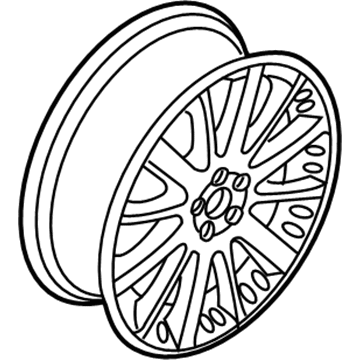
Volvo Wheel, Alloy Part Number: 8694562
$589.25 MSRP: $876.85You Save: $287.60 (33%)Ships in 1-2 Business DaysProduct Specifications- Other Name: Wheel Rim; Alloy Wheels; Wheel Alloy
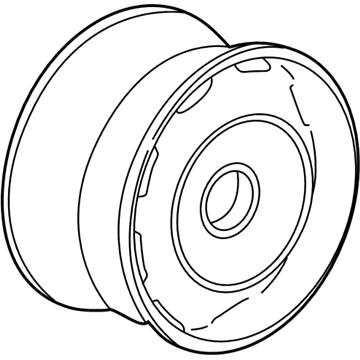
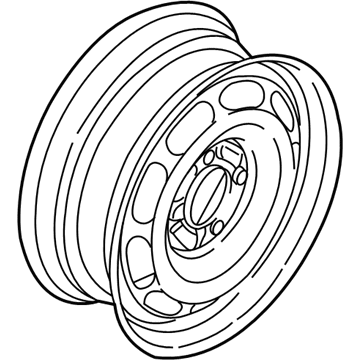
Volvo Wheel, Steel Part Number: 9157507
$127.91 MSRP: $171.88You Save: $43.97 (26%)Ships in 1-2 Business DaysProduct Specifications- Other Name: Wheel Rim 2603; Alloy Wheels; Wheel Steel
Volvo Wheel, Steel Part Number: 9173122
$131.27 MSRP: $176.40You Save: $45.13 (26%)Ships in 1-2 Business DaysProduct Specifications- Other Name: Wheel Rim; Alloy Wheels; Wheel Steel
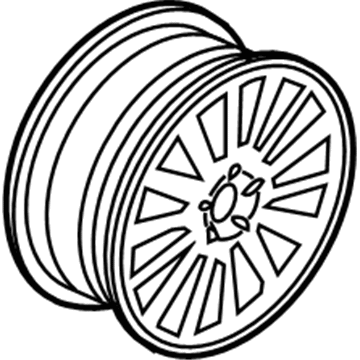
Volvo Wheel, Alloy, Aluminium Part Number: 30748020
$609.12 MSRP: $819.36You Save: $210.24 (26%)Ships in 1-2 Business DaysProduct Specifications- Other Name: Aluminium Rim; Alloy Wheels; Wheel Alloy
Volvo Wheel, Alloy, Aluminium Part Number: 30671512
$609.12 MSRP: $819.36You Save: $210.24 (26%)Ships in 1-2 Business DaysProduct Specifications- Other Name: Aluminium Rim; Alloy Wheels; Wheel Alloy
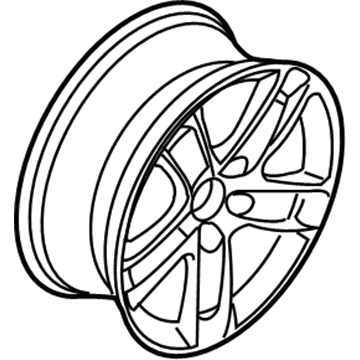
Volvo Wheel, Alloy, Aluminium Part Number: 30671510
$609.12 MSRP: $819.36You Save: $210.24 (26%)Ships in 1-2 Business DaysProduct Specifications- Other Name: Aluminium Rim 2506; Alloy Wheels; Wheel Alloy
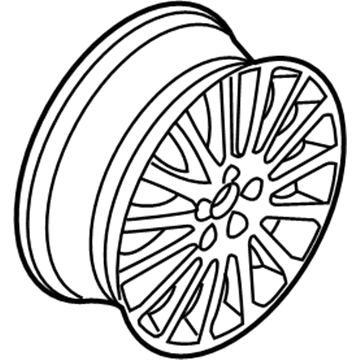
Volvo Wheel, Alloy, Aluminium Part Number: 31202727
$630.60 MSRP: $848.27You Save: $217.67 (26%)Ships in 1-2 Business DaysProduct Specifications- Other Name: Aluminium Rim 2601; Alloy Wheels; Wheel Alloy
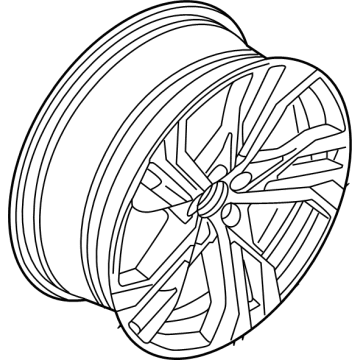
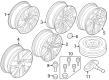
Volvo Wheel, Alloy, Aluminium Part Number: 32358914
$669.92 MSRP: $901.16You Save: $231.24 (26%)Ships in 1-2 Business DaysProduct Specifications- Other Name: Aluminium Rim; Alloy Wheels; Wheel Alloy
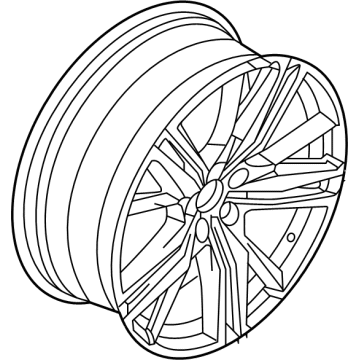
Volvo Wheel, Alloy, Black, Aluminium Part Number: 32358787
$669.92 MSRP: $901.16You Save: $231.24 (26%)Ships in 1-2 Business DaysProduct Specifications- Other Name: Aluminium Rim; Alloy Wheels; Wheel Alloy
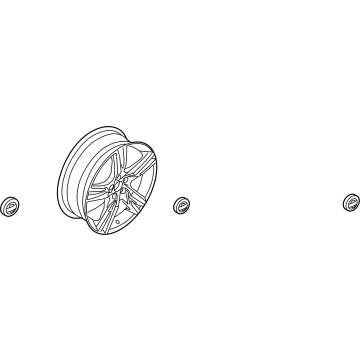
Volvo Wheel, Alloy, Matt Black, Aluminium Part Number: 32327353
$669.92 MSRP: $901.16You Save: $231.24 (26%)Ships in 1-2 Business DaysProduct Specifications- Other Name: Aluminium Rim; Alloy Wheels; Wheel Alloy
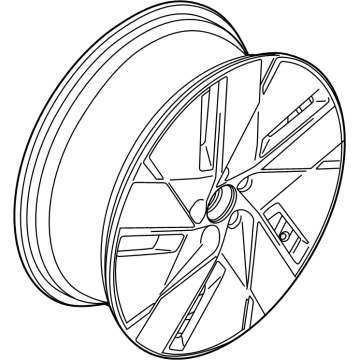
Volvo Aluminium Rim Part Number: 32294213
$669.92 MSRP: $901.16You Save: $231.24 (26%)Ships in 1-2 Business DaysProduct Specifications- Other Name: Wheel Alloy
Volvo Aluminium Rim Part Number: 32294212
$669.92 MSRP: $901.16You Save: $231.24 (26%)Ships in 1-2 Business DaysProduct Specifications- Other Name: Wheel Alloy
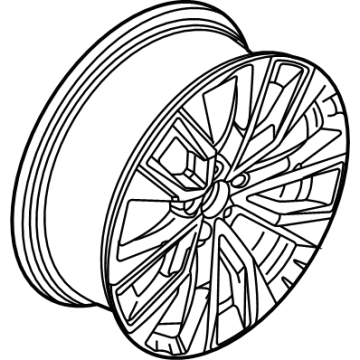
Volvo Wheel, Alloy, Aluminium Part Number: 32243399
$669.92 MSRP: $901.16You Save: $231.24 (26%)Ships in 1-2 Business DaysProduct Specifications- Other Name: Aluminium Rim; Alloy Wheels; Wheel Alloy
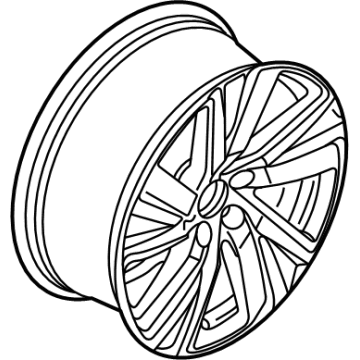
Volvo Wheel, Alloy Part Number: 32243394
$669.92 MSRP: $901.16You Save: $231.24 (26%)Ships in 1-2 Business DaysProduct Specifications- Other Name: Aluminum Alloy; Alloy Wheels; Wheel Alloy
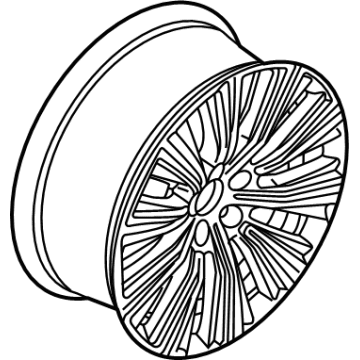
Volvo Wheel, Alloy, Aluminium Part Number: 32243393
$669.92 MSRP: $901.16You Save: $231.24 (26%)Ships in 1-2 Business DaysProduct Specifications- Other Name: Aluminium Rim; Alloy Wheels; Wheel Alloy
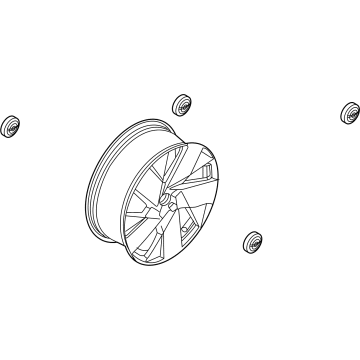
Volvo Wheel, Alloy, Aluminium Part Number: 32243375
$669.92 MSRP: $901.16You Save: $231.24 (26%)Ships in 1-2 Business DaysProduct Specifications- Other Name: Aluminium Rim; Alloy Wheels; Wheel Alloy
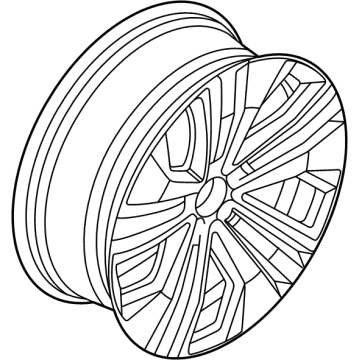
Volvo Wheel, Alloy, Aluminium Part Number: 32209464
$669.92 MSRP: $901.16You Save: $231.24 (26%)Ships in 1-2 Business DaysProduct Specifications- Other Name: Aluminium Rim; Alloy Wheels; Wheel Alloy
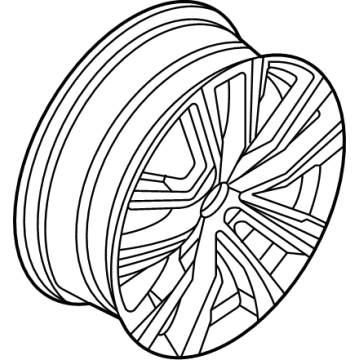
Volvo Wheel, Alloy, Aluminium Part Number: 32143627
$669.92 MSRP: $901.16You Save: $231.24 (26%)Ships in 1-2 Business DaysProduct Specifications- Other Name: Aluminium Rim; Alloy Wheels; Wheel Alloy
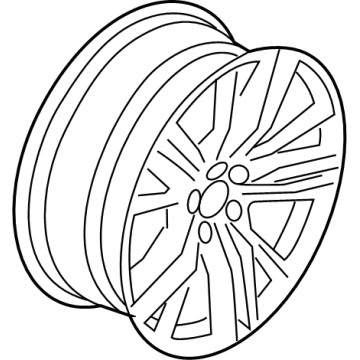
Volvo Wheel, Alloy, Aluminium Part Number: 32143050
$669.92 MSRP: $901.16You Save: $231.24 (26%)Ships in 1-2 Business DaysProduct Specifications- Other Name: Aluminium Rim; Wheel; Alloy Wheels; Wheel Alloy
- Replaces: 32207156
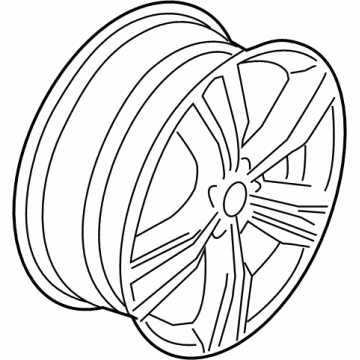
Volvo Wheel, Alloy, Aluminium Part Number: 32143049
$669.92 MSRP: $901.16You Save: $231.24 (26%)Ships in 1-2 Business DaysProduct Specifications- Other Name: Aluminium Rim; Wheel; Alloy Wheels; Wheel Alloy
- Replaces: 32207155
| Page 1 of 17 |Next >
1-20 of 325 Results
Volvo Alloy Wheels
Volvo Alloy Wheels reduce weight, boost handling, and add style to every Volvo on the road, making them a key upgrade for drivers who want sharper response. Volvo has earned a reputation for putting safety first from pioneering the three point seat belt to fitting dependable brakes and clear instrumentation, and this focus on protecting occupants guides every vehicle it builds. The brand couples that safety record with forward looking efforts in clean design and electric powertrains, showing that Volvo is as serious about the planet as it is about its passengers. Inside, simple controls and calming Scandinavian lines create cabins that feel thoughtful and easy to live with, proving that Volvo values comfort alongside security. Matching that philosophy of smart engineering, Alloy Wheels are crafted from lightweight aluminium or magnesium blends that cut unsprung mass so the suspension can react faster, sharpen cornering, and shorten stopping distances. These Alloy Wheels also disperse heat away from the brakes which helps maintain consistent performance on long drives, and their resistance to rust keeps them looking fresh with only routine washing. Different casting and forging methods give buyers a choice between refined looks or extra toughness, yet every set of Alloy Wheels supplies the same blend of durability, fuel saving potential, and eye catching design across the entire lineup.
Trust OEM Alloy Wheels for quality that holds up. These parts use top-tier materials to keep your ride running smooth. Because they match exact Volvo specs, you get a flawless fit and a hassle-free install every single time. No more fighting with parts that just won't line up. It is easy to search our massive stock of genuine Volvo options at prices you will really like. Every part comes with a real manufacturer's warranty and a simple return policy. Plus, we ship fast to get your order to you. Shop with confidence and give your Volvo the reliability it deserves.
Volvo Alloy Wheels Parts and Q&A
- Q:How do Alloy Wheels contribute to maximizing tire life and ensuring vehicle safety on Volvo 740?A:Common sense and good driving habits will provide maximum tire life as fast starts, sudden stops and hard cornering can significantly shorten the life of tires. Overloading or incorrect tire pressure should be avoided to reduce tread wear. For optimum tire longevity, keep tires properly inflated and rotate them regularly and check wheel alignment from time to time. Frequent inspection is also necessary especially for bubbles in the tread or sidewall, deep cuts, or underinflation; any tire with sidewall bubbles should be replaced, and deep cuts that reach the cords require discarding the tire. Uneven tread wear patterns can be caused by alignment problems or imbalance. Tires should be rotated periodically so that the tire wears evenly, especially as the front steering/suspension system wears. Unidirectional tires should always roll in the same direction and styled or "mag" wheels with different offsets should not be interchanged in front and rear. The compact spare is for emergency use only, and should not be included in regular tire rotation. For the best satisfaction of these tires, use them in sets of four and do not mix different types. When using radial tires be sure sizes and wheel diameters are used to maintain land clearance and load capacity equal to original tire specifications. Snow tires have a better grip when the weather is slippery as compared to street tires and also municipalities may require snow tires in case of an emergency. It is recommended that you put on four snow tires to be more stable because if you only put snow tires on drive wheels you may experience instability. Snow tires will have an impact on vehicle handling in non-snow situations, requiring a re-learning of the vehicle behavior. Consider buying some additional wheels for snow tires to make seasonal changes and to avoid expensive wheels being damaged. Store tires properly inflated in a cool, dry place, away from direct moisture and concrete floors. Proper tire inflation is important for performance reasons and checking them periodically with a proper tire gauge is recommended. Never exceed the maximum tire pressure embossed on the tire, and maintain recommended pressures for optimum handling and safety. Tread wear indicators can tell when the tires need to be replaced, and a simple penny test can help determine the tread depth. For special wheels, take care not to be damaged, check regularly for cracks or leaks, and clean them with mild cleaning agents to keep them beautiful. Avoid keeping tires standing vertically and be aware of dangers while driving to save the wheels.
- Q:How crucial are Alloy Wheels in ensuring the tightness of wheel nuts for safety, and what steps should be taken to ensure they are properly maintained for diesel engines on Volvo S40?A:Checking the tightness of the wheel nuts is important for safety purposes and can give you an indication if you have tightened it too much which may prevent the wheel nuts from loosening in case of a puncture. Start by putting on the handbrake, chocking the wheels and putting first gear on. Remove the wheel cover with the flat end of the wheel brace. Loosen the first wheel nut with the wheel brace and if it is stubborn, use a close-fitting socket and a long extension. Once loosened, remove the nut and make sure the wheel stud threads are clean and use a wire brush if needed. Refit the nut with the tapered side facing inwards and tighten it fully using the wheel brace and should be able to be loosened later if required. If available, use a torque wrench to tighten to setting. Repeat this for the other 3 nuts and refits the wheel cover. Periodically remove the roadwheels in order to clean them and inspect for rust, corrosion or damage since light alloy wheels are easily damaged and steel wheels may become dented. Maintaining the balance of each wheel and tyre assembly is critical to the tyres and steering or suspension components to avoid excessive wear and tear and is often signaled by vibrations in the vehicle. Balancing can be done while the wheel is on or off the vehicle, but if off the vehicle mark the wheel-to-hub to ensure proper refitting.

Related Volvo Parts
 Volvo Lug Nuts
 Volvo Control Arm
 Volvo Control Arm Bushing
 Volvo Sway Bar Link
 Volvo Axle Beam
 Volvo Axle Support Bushings
 Volvo Coil Spring Insulator
 Volvo Control Arm Bracket
 Volvo Shock Absorber
 Volvo Strut Mounts
 Volvo Sway Bars
 Volvo Wheel Bearing Dust Cap
Browse by Model
244 Alloy Wheels 245 Alloy Wheels 740 Alloy Wheels 760 Alloy Wheels 850 Alloy Wheels 960 Alloy Wheels C30 Alloy Wheels C40 Recharge Alloy Wheels C70 Alloy Wheels EC40 Alloy Wheels EX30 Alloy Wheels EX90 Alloy Wheels S40 Alloy Wheels S60 Alloy Wheels S60 Cross Country Alloy Wheels S70 Alloy Wheels S80 Alloy Wheels S90 Alloy Wheels V50 Alloy Wheels V60 Alloy Wheels V60 Cross Country Alloy Wheels V70 Alloy Wheels V90 Alloy Wheels V90 Cross Country Alloy Wheels XC40 Alloy Wheels XC40 Recharge Alloy Wheels XC60 Alloy Wheels XC70 Alloy Wheels XC90 Alloy Wheels