×
- Hello
- Login or Register
- Quick Links
- Live Chat
- Track Order
- Parts Availability
- RMA
- Help Center
- Contact Us
- Shop for
- Volvo Parts

My Garage
My Account
Cart
Genuine Volvo S80 Fuel Tank
Gas Tank- Select Vehicle by Model
- Select Vehicle by VIN
Select Vehicle by Model
orMake
Model
Year
Select Vehicle by VIN
For the most accurate results, select vehicle by your VIN (Vehicle Identification Number).
5 Fuel Tanks found
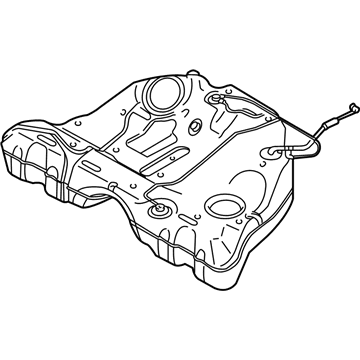
Volvo S80 Fuel Tank Part Number: 30792689
$2227.63 MSRP: $2949.72You Save: $722.09 (25%)Ships in 1-2 Business Days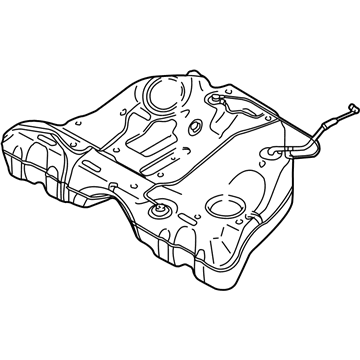
Volvo S80 Fuel Tank Part Number: 30792698
$2084.42 MSRP: $2760.10You Save: $675.68 (25%)Ships in 1-2 Business DaysVolvo S80 Fuel Tank Part Number: 30792691
$2227.63 MSRP: $2949.72You Save: $722.09 (25%)Ships in 1-2 Business Days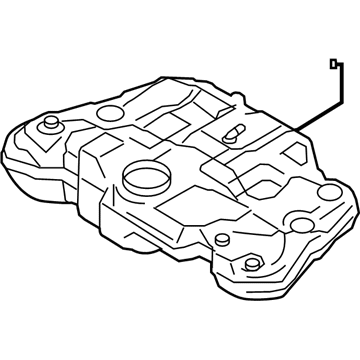
Volvo S80 Fuel Tank Part Number: 31355019
$3102.77 MSRP: $4108.54You Save: $1005.77 (25%)Ships in 1-2 Business DaysVolvo S80 Fuel Tank Part Number: 31303267
$3102.77 MSRP: $4108.54You Save: $1005.77 (25%)Ships in 1-2 Business Days
Volvo S80 Fuel Tank
Volvo S80 Fuel Tank offers safe on-board storage of gasoline and protects passengers and the surrounding world. The Fuel Tank is located behind the subframe and carries the electric fuel pump and the gauge sender, and its inside baffles prevent the sloshing of the fuel away from the pickup to make sure that the engine is never starved during hard braking or cornering. The Fuel Tank, being a closed section of the EVAP system, allows vapors to accumulate in the tank, and they are directed into controlled burning rather than being released into the air. During the manufacturing period Volvo created this sedan with two major tank designs; welded steel or aluminum shells and smaller blow-molded high-density polyethylene bodies. Each Fuel Tank is leak tested in the factory and is also provided with a new locking ring and seal to be sure of tight fits to the filler neck and lines. The metal one is very strong but has a high chance of rusting both internally and externally, particularly after years of exposure to road salt or water, and the plastic one is immune to corrosion and may crack after impacting a severe object or being subjected to extreme temperatures. Subsequent S80 models frequently have the HDPE design as it does not add weight and prevents road noise. Regardless of the material, all Fuel Tanks are supported by heavy straps that should remain steady against rain, snow, ice and flying debris so that Volvo customers can enjoy the sound range and comfort on any of their journeys, upholding the image of a safe brand that Volvo holds all over the world.
OEM parts are the only choice for top quality and real functionality. They pass strict checks, and they match Volvo's factory specs, so installation is easy. If you need new Fuel Tank and you want quality and fit. You will find both here. Our site has a wide range of OEM Volvo S80 parts. The prices are unbeatable, allowing you to get value for money. Each genuine S80 Fuel Tank comes with the manufacturer's warranty. That gives you peace of mind. We ship fast to your door. Order today, and enjoy a smooth, no-hassle upgrade with parts that fit right.
Volvo S80 Fuel Tank Parts and Q&A
- Q:What precautions should be observed before working on the fuel system and How to properly remove and refit the fuel tank for petrol engines on Volvo S80?A:Before doing any work on any component in the fuel system observe the necessary precautions. To remove the tank, first drain as much fuel as possible so as to minimize risks associated with fuel handling. Disconnect the negative lead of the battery, slacken the left rear roadwheel bolts and chock the front wheels, jack up the rear of the car, support on the axle stands, and remove the roadwheel. Go forward to take off the back part of the exhaust system while supporting the front part of the exhaust system to avoid stress to the flexible part. Unclip the ABS wiring from both sides of the fuel tank, undo the two Torx screws at the front of the heat shield underneath the fuel tank and unclip the brake pipes from the clips at the front of the fuel tank retaining straps. Remove the cable from the left side handbrake from the brake assembly, remove the retaining brackets, and place both cables in front of the tank. At the quick-release coupling at the fuel filter disconnect the hose from the fuel filter, the hose clamps, and the fuel filler hose and shut-off pipe from the tank. Position a trolley jack at the center of the tank with a protective wooden pad, raise the jack to bear the weight of the tank and then undo the tank retaining straps and then carefully lower the jack and tank slightly before removing the tank from beneath the car. If the tank is contaminated, remove the gauge sender unit and Fuel Pump, swill their tank out with clean fuel and renew it or seek advice for repairs if damaged. When fitting a new tank, installing all the components from the old tank, renewing seals and plastic nuts, fuel pump, and gauge sender unit. For refitting, reverse the steps for removal, making sure to find the tank in the right position, tightening the back strap mountings, centering the fuel gauge sender unit and fuel pump plastic nuts and tightening the front strap mountings. Finally, put gas back into the tank and see if there are any signs of a leak before driving.
- Q:What precautions should be observed before working on the fuel tank for diesel engines on Volvo S80?A:Before working on any component in the fuel system, observe the necessary precautions. To remove the tank, first drain as much fuel as you can in order to minimize risks associated with fuel handling. Disconnect the battery negative lead and then slacken off the bolts on the left-rear roadwheel, then chock the front wheels, jack up the rear of the car and rest it on some axle stands, before removing the roadwheel. Proceed to need operations and finally remove rear section of the exhaust system, supporting the front exhaust section to avoid straining the flexible part. Unclip the ABS wiring from the front and rear of the fuel tank, undo the two Torx screws at the front of the heat shield under the fuel tank and unclip the brake pipes from the clips at the front of the tank retaining straps. Disconnect the left-hand handbrake cable from the brake assembly, release the retaining brackets and arrange the two cables in front of the tank. Disconnect the hose from the fuel filter on the quick release coupling and disconnect the wiring plugs from the filter. Release the hose clamps and connect the fuel filler hose and shut-off pipe from the tank. Place a trolley jack under the centre of the tank using a block of wood to prevent the tank from being damaged, and then raise the trolley jack to absorb the weight of the tank. Undo the tank retaining straps, carefully lower the jack and tank slightly, and then remove the tank from under the car. If the tank is contaminated, remove the gauge sender unit and Fuel Pump, and clean the tank using fresh fuel. The tank is made from synthetic material and it should be renewed in case of damage, but minor repairs might be possible. If fitting a new tank transfer all components from the old tank, renewing seals and plastic nuts for the fuel pump and gauge sender unit. For refitting, do the reverse of the removal, and make sure the tank is properly positioned and fixed, then refill with fuel and check for leaks before driving.
Related Volvo S80 Parts
 Volvo S80 Air Filter
 Volvo S80 Fuel Filter
 Volvo S80 Gas Cap
 Volvo S80 MAP Sensor
 Volvo S80 Air Duct
 Volvo S80 Air Intake Hose
 Volvo S80 Fuel Filler Hose
 Volvo S80 Fuel Filler Neck
 Volvo S80 Fuel Line Clamps
 Volvo S80 Fuel Pump Driver Module
 Volvo S80 Fuel Sending Unit
 Volvo S80 Fuel Tank Strap
Browse by Year
2016 Fuel Tank 2015 Fuel Tank 2014 Fuel Tank 2013 Fuel Tank 2012 Fuel Tank 2011 Fuel Tank 2010 Fuel Tank 2009 Fuel Tank 2008 Fuel Tank 2007 Fuel Tank 2006 Fuel Tank 2005 Fuel Tank 2004 Fuel Tank 2003 Fuel Tank 2002 Fuel Tank 2001 Fuel Tank 2000 Fuel Tank 1999 Fuel Tank