×
- Hello
- Login or Register
- Quick Links
- Live Chat
- Track Order
- Parts Availability
- RMA
- Help Center
- Contact Us
- Shop for
- Volvo Parts

My Garage
My Account
Cart
Genuine Volvo Radiator Hose
Radiator Hose Tube- Select Vehicle by Model
- Select Vehicle by VIN
Select Vehicle by Model
orMake
Model
Year
Select Vehicle by VIN
For the most accurate results, select vehicle by your VIN (Vehicle Identification Number).
232 Radiator Hoses found
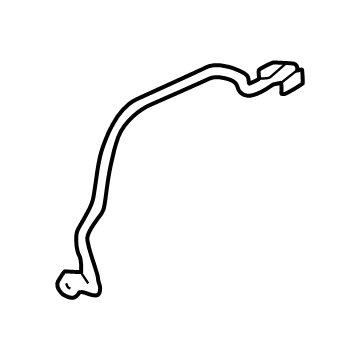
Volvo Reservoir Hose Part Number: 32138838
$36.16 MSRP: $52.93You Save: $16.77 (32%)Ships in 1-2 Business DaysProduct Specifications- Other Name: Return Hose; Radiator Hose; Coolant Pipe
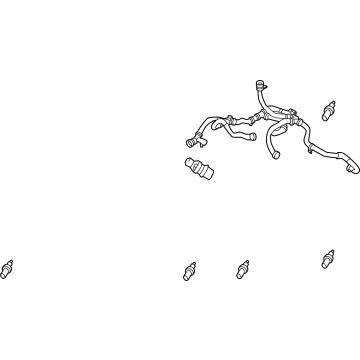
Volvo Hose Part Number: 32428098
$218.45 MSRP: $284.44You Save: $65.99 (24%)Ships in 1-2 Business DaysProduct Specifications- Other Name: Hose Assembly
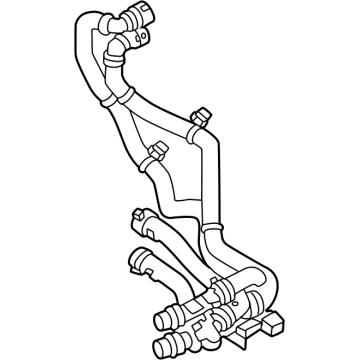
Volvo Hose Part Number: 32339170
$218.45 MSRP: $284.44You Save: $65.99 (24%)Ships in 1-2 Business DaysProduct Specifications- Other Name: Rear Hose
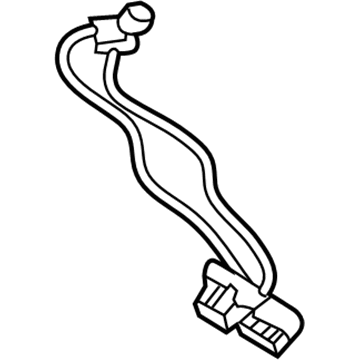
Volvo Tube Assembly Part Number: 32278433
$218.45 MSRP: $284.44You Save: $65.99 (24%)Ships in 1-2 Business DaysProduct Specifications- Other Name: Hose; Radiator Hose; Coolant Pipe; Hose, Hose & Tube Assembly
- Replaces: 31686780, 31439728, 31493033
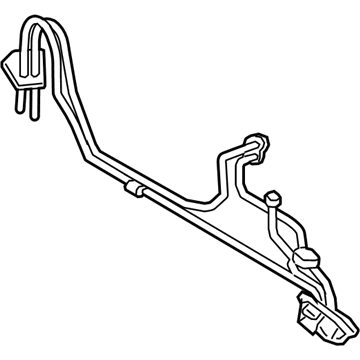
Volvo Tube Assembly Part Number: 32278431
$218.45 MSRP: $284.44You Save: $65.99 (24%)Ships in 1-2 Business DaysProduct Specifications- Other Name: Hose; Radiator Hose; Coolant Pipe; Hose, Hose & Tube Assembly
- Replaces: 31686776
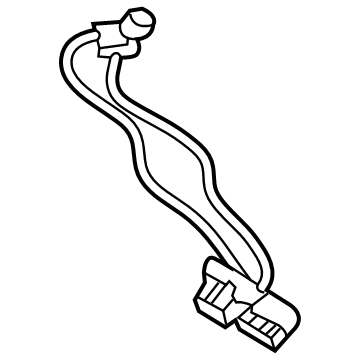
Volvo Tube Assembly Part Number: 31686537
$218.45 MSRP: $284.44You Save: $65.99 (24%)Ships in 1-2 Business DaysProduct Specifications- Other Name: Hose; Radiator Hose; Coolant Pipe; Heater Hose, Hose & Tube Assembly
- Replaces: 31338832, 31686778
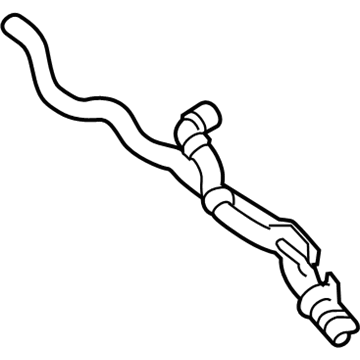
Volvo Heater Hose Part Number: 31338212
$218.45 MSRP: $284.44You Save: $65.99 (24%)Ships in 1-2 Business DaysProduct Specifications- Other Name: Hose; Radiator Hose; Coolant Pipe; Hose Assembly
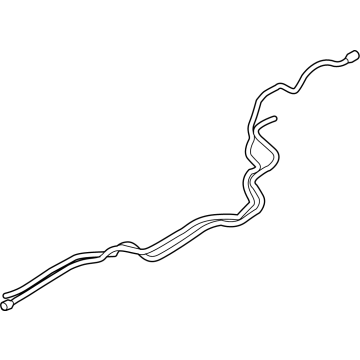
Volvo Hose Part Number: 32324720
$218.45 MSRP: $284.44You Save: $65.99 (24%)Ships in 1-2 Business DaysProduct Specifications- Other Name: Coolant Hose, Rear Hose
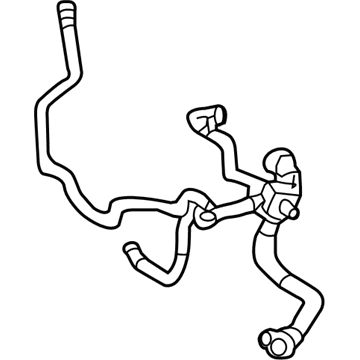
Volvo Lower Hose Part Number: 31474850
$283.18 MSRP: $368.72You Save: $85.54 (24%)Ships in 1-2 Business DaysProduct Specifications- Other Name: Radiator Hose; Coolant Pipe
- Position: Lower
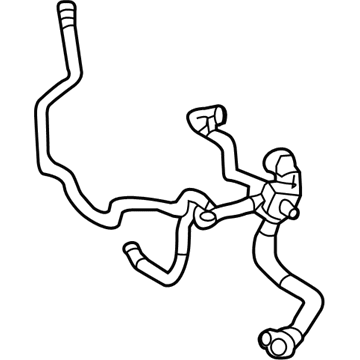
Volvo Lower Hose Part Number: 31474849
$283.18 MSRP: $368.72You Save: $85.54 (24%)Ships in 1-2 Business DaysProduct Specifications- Other Name: Radiator Hose; Coolant Pipe
- Position: Lower
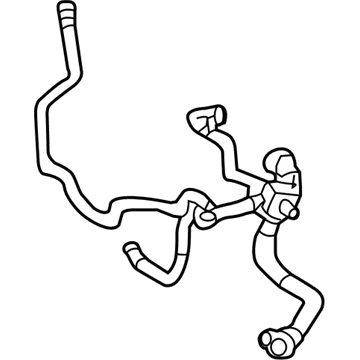
Volvo Lower Hose Part Number: 31368640
$283.18 MSRP: $368.72You Save: $85.54 (24%)Ships in 1-2 Business DaysProduct Specifications- Other Name: Radiator Hose; Coolant Pipe
- Position: Lower
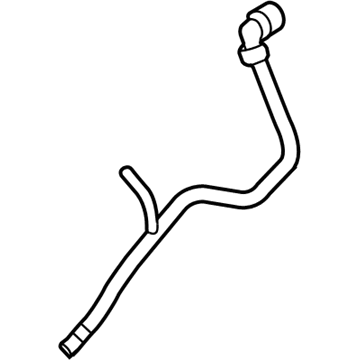
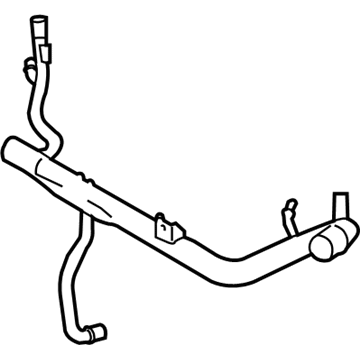
Volvo Outlet Hose Part Number: 30745309
$320.40 MSRP: $417.18You Save: $96.78 (24%)Ships in 1-2 Business DaysProduct Specifications- Other Name: Hose; Radiator Hose; Coolant Pipe
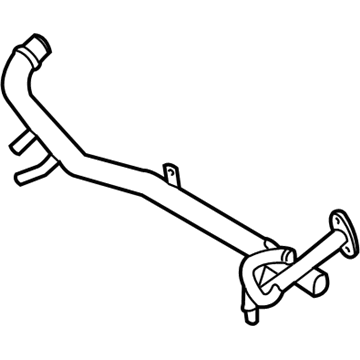
Volvo Water Pipe Part Number: 30757453
$320.40 MSRP: $417.18You Save: $96.78 (24%)Ships in 1-2 Business DaysProduct Specifications- Other Name: Inlet Pipe; Radiator Hose; Coolant Pipe; Inlet Pipe
Volvo Coolant Hose Part Number: 30650430
$517.80 MSRP: $674.22You Save: $156.42 (24%)Ships in 1-2 Business DaysProduct Specifications- Other Name: Inlet Pipe; Engine Coolant Pipe; Radiator Hose; Cooling Pipe, Inlet Pipe, Pipe Kit
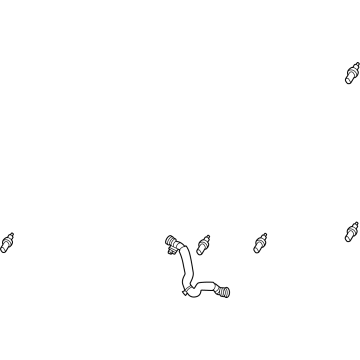
Volvo Hose Part Number: 32428100
$94.63 MSRP: $122.20You Save: $27.57 (23%)Ships in 1-2 Business DaysProduct Specifications- Other Name: Hose Assembly
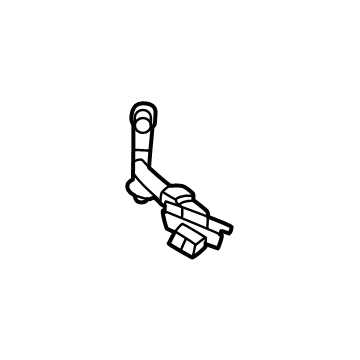
Volvo Hose Part Number: 32339156
$94.63 MSRP: $122.20You Save: $27.57 (23%)Ships in 1-2 Business DaysProduct Specifications- Other Name: Connector Hose
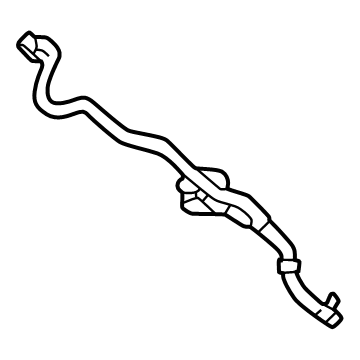
Volvo Upper Hose Part Number: 32249726
$94.63 MSRP: $122.20You Save: $27.57 (23%)Ships in 1-2 Business DaysProduct Specifications- Other Name: Radiator Hose; Coolant Pipe
- Position: Upper
- Replaces: 32249450
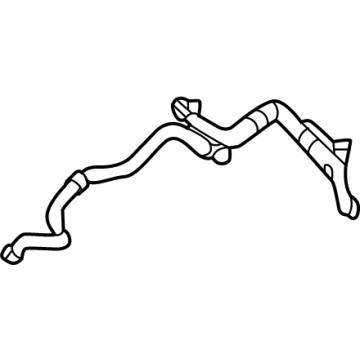
Volvo Water Hose Part Number: 32249715
$94.63 MSRP: $122.20You Save: $27.57 (23%)Ships in 1-2 Business DaysProduct Specifications- Other Name: Hose; Coolant Pipe; Hose
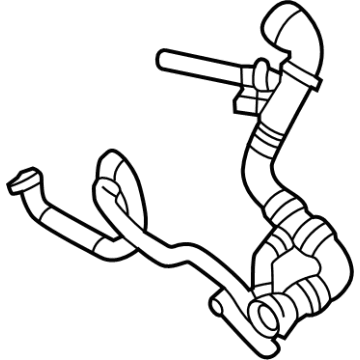
Volvo Lower Hose Part Number: 32249659
$94.63 MSRP: $122.20You Save: $27.57 (23%)Ships in 1-2 Business DaysProduct Specifications- Other Name: Radiator Hose; Coolant Pipe
- Position: Lower
- Replaces: 31474852, 32224777
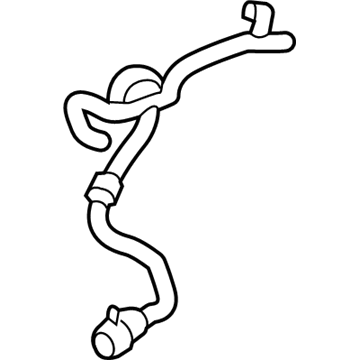
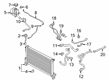
Volvo Lower Hose Part Number: 32249658
$94.63 MSRP: $122.20You Save: $27.57 (23%)Ships in 1-2 Business DaysProduct Specifications- Other Name: Radiator Hose; Radiator Coolant Hose, Lower; Coolant Pipe
- Position: Lower
- Replaces: 31338294, 31474498, 32224779
| Page 1 of 12 |Next >
1-20 of 232 Results
Volvo Radiator Hose
The Volvo Radiator Hose helps keep the engine healthy by routing coolant rapidly between the engine block and radiator to maintain temperatures during every drive. Volvo has become synonymous with Swedish design and no compromise on safety, with innovations such as the three-point seat belt, responsive braking systems, and intuitive controls to make everyday travel smooth and safe. Each Volvo also embraces forward-thinking powertrains from efficient gasoline units to cutting-edge plug-in hybrids, all wrapped in clean styling that stands out without shouting. Drivers trust Volvo because the brand treats comfort, environmental responsibility, and long-term durability as equal priorities, building vehicles that are as solid on city streets as back roads. Just as the company finds a balance between these values, the Radiator Hose finds a balance between heat management in the cooling loop. Made of resilient, flexible rubber, a Radiator Hose bends with the movement of the engine but is resistant to cracking, bulging, and collapse so coolant is able to circulate toward the heater core, expansion tank, and water pump without interruption. Upper and lower sections all work in tandem, the upper line carrying hotter fluid away quickly while the lower returns cooled liquid just ready to absorb more heat, providing a continuous thermal cycle that protects horsepower and prevents costly overheating. Routine visual checks and timely replacement ensure this Radiator Hose continues to perform flawlessly for the wider promise of every Volvo to deliver dependable, worry-free journeys.
Trust OEM Radiator Hose for quality that holds up. These parts use top-tier materials to keep your ride running smooth. Because they match exact Volvo specs, you get a flawless fit and a hassle-free install every single time. No more fighting with parts that just won't line up. It is easy to search our massive stock of genuine Volvo options at prices you will really like. Every part comes with a real manufacturer's warranty and a simple return policy. Plus, we ship fast to get your order to you. Shop with confidence and give your Volvo the reliability it deserves.
Volvo Radiator Hose Parts and Q&A
- Q:How should upper and lower radiator hoses, along with heater hoses, be checked and replaced on Volvo 740?A:Upper and lower radiator hoses, as well as heater hoses, should be inspected for deterioration, leaks and loose clamps at least every 15,000 miles (24,000 km) - periodic inspections are recommended during the early spring and at the start of fall or winter during other maintenance. A quick visual inspection can show weakened hoses that can result in breakdowns if they are left in place. When checking hoses, ensure that the engine and cooling system are cold and look for any cracks, rot or collapse; replace those with weak or swollen spots. Start by disconnecting the negative battery cable and stripping the radiator pressure cap, being careful not to get burned by hot coolant or steam. Position a clean container under the radiator and open the drain to allow the cooling system to drain appropriately, considering that pets may have an affinity for antifreeze, which may be fatal. Loosen the hose clamps on both ends of the hose to be replaced, twist, pull and slide the hose off the fitting without damaging the connection. If the hose is stuck, use a single edged razor blade to make a cut down the stuck portion without cutting too deep. Clean both hose mounting connections and look at the clamps for replacement if necessary. For installation, dip the ends on the new hose in clean engine coolant, slip the clamps over the replacement hose and secure them at least 4 inches (6.35mm) from the ends of the replacement hose making sure they are past the raised bead of the connector. Close the radiator or engine drains and fill the cooling system with clean drained coolant or a suitable combination of ethylene glycol and water. If available, install a pressure tester to check for leaks and if not, run the engine to normal operating temperature and then check for leaks around the hose fittings and connections, being extremely careful around moving or hot engine parts.
Related Volvo Parts
 Volvo Coolant Reservoir
 Volvo Coolant Level Sensor
 Volvo Coolant Reservoir Cap
 Volvo Intercooler
 Volvo Radiator Drain Plug
 Volvo Thermostat Housing
 Volvo Cooling Fan Assembly
 Volvo Cooling Hose
 Volvo Oil Cooler Hose
 Volvo Transmission Oil Cooler Hose
 Volvo Water Hose
 Volvo Water Pump Gasket
Browse by Model
240 Radiator Hose 244 Radiator Hose 245 Radiator Hose 740 Radiator Hose 760 Radiator Hose 780 Radiator Hose 850 Radiator Hose 940 Radiator Hose 960 Radiator Hose C30 Radiator Hose C40 Recharge Radiator Hose C70 Radiator Hose EC40 Radiator Hose EX90 Radiator Hose S40 Radiator Hose S60 Cross Country Radiator Hose S60 Radiator Hose S70 Radiator Hose S80 Radiator Hose S90 Radiator Hose V40 Radiator Hose V50 Radiator Hose V60 Cross Country Radiator Hose V60 Radiator Hose V70 Radiator Hose V90 Cross Country Radiator Hose V90 Radiator Hose XC40 Radiator Hose XC40 Recharge Radiator Hose XC60 Radiator Hose XC70 Radiator Hose XC90 Radiator Hose