×
- Hello
- Login or Register
- Quick Links
- Live Chat
- Track Order
- Parts Availability
- RMA
- Help Center
- Contact Us
- Shop for
- Volvo Parts

My Garage
My Account
Cart
Genuine Volvo V40 Oil Filter
Engine Oil filter- Select Vehicle by Model
- Select Vehicle by VIN
Select Vehicle by Model
orMake
Model
Year
Select Vehicle by VIN
For the most accurate results, select vehicle by your VIN (Vehicle Identification Number).
1 Oil Filter found
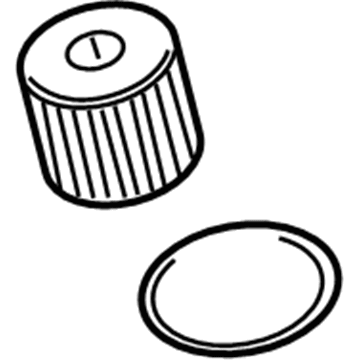
Volvo V40 Oil Filter Part Number: 1275810
$13.63 MSRP: $23.27You Save: $9.64 (42%)Ships in 1-2 Business Days
Volvo V40 Oil Filter
The Volvo V40 Oil Filter keeps the blood of the engine well to ensure that the small hatchback does not lose responsiveness and reliability. The Volvo filter catches grit, sludge, and corrosive solids by forcing all the droplets of pressurized lubricant through a pleated cellulose or synthetic membrane without clogging the oil flow, which conserves bearings up to thousands of miles between services. With efficiency ratings of close to 99 percent, the dirt that gets away is minimal, and the generous capacity keeps the contaminants until the required time to change. The initial V40 models had a full flow spin-on Oil Filter that screwed to the block and was easily replaced but then went to waste after being saturated with oil. With changing emissions regulations and customer demands, Volvo changed to a removable cartridge Oil Filter that fits into a reusable casing; less waste is made, and finer media are applied, which do not rupture as easily due to the increased pressure of modern pumps. Both of these styles are based on internal pressure relief and anti-drainback valves to ensure rapid flow at cold start and prevent starvation in case of media clogging. Premium motor oil also decays with time and heat, so Volvo recommends changing regular drains with a new filter to prevent declining pressure, metal-to-metal wear, and expensive maintenance. This is a small, cheap, and critical part that silently protects the heart of all Volvos on the road.
OEM parts are the only choice for top quality and real functionality. They pass strict checks, and they match Volvo's factory specs, so installation is easy. If you need new Oil Filter and you want quality and fit. You will find both here. Our site has a wide range of OEM Volvo V40 parts. The prices are unbeatable, allowing you to get value for money. Each genuine V40 Oil Filter comes with the manufacturer's warranty. That gives you peace of mind. We ship fast to your door. Order today, and enjoy a smooth, no-hassle upgrade with parts that fit right.
Volvo V40 Oil Filter Parts and Q&A
- Q:Why is it important to consider the oil filter during frequent oil changes for preventive maintenance on Volvo V40?A:Frequent oil changes are very important for preventive maintenance, as old oil can become diluted and contaminated which can cause premature engine wear. Before beginning, make sure that you have all the tools that you need, and lots of rags or newspapers for spillage. It's best to change the oil when the engine is warm because hot engine oil flows better, but be careful to avoid hot parts. Lifting the car on a hoist, ramps or axle stands - to provide a better access to the underside of the car, to ensure the car is level, or the sump drain plug is in the lowest point. Put a draining container under the drain plug and unscrew the plug, holding it in the sump and unscrewing it. Let all old oil drain, shaking the container as necessary. Once drained, clean the drain plug and its threads, fit a new sealing washer and refit the drain plug, tightening it to the specified torque. The oil filter is at the base of the sump, on the right hand side, and it may need a cover removing in order to get at it. Reposition the draining container under the filter, slacken it and unscrew it by hand, being ready for spillage. If using a filter with a plastic body, use a strap wrench to prevent any damage to the body. Cylinder Block Clean the cylinder block around the filter mounting, and check to make sure the rubber sealing ring hasn't stuck. For models with a renewable filter element replace the old element, clean the casing and fit the new element with the sealing ring coated with clean engine oil. Screw the filter into place and seat tight by hand. For models that have a plastic casing, tighten it to the specified torque after hand-tightening. Remove the oil drain container and tools and lower the car. Remove the dipstick and oil filler cap, filling the engine with the proper grade and type of oil, adding it slowly until the level is halfway on the dipstick. Start engine, watching oil pressure warning light, and check for leaks about oil filter seal and drain plug. After a few minutes, turn off the engine, wait for the oil to settle and recheck the dipstick level adding more oil if needed. Finally, dispose of used engine oil in an environmentally safe manner and following environmental regulations.