×
- Hello
- Login or Register
- Quick Links
- Live Chat
- Track Order
- Parts Availability
- RMA
- Help Center
- Contact Us
- Shop for
- Volvo Parts

My Garage
My Account
Cart
Genuine Volvo S40 Catalytic Converter
Cat. Converter- Select Vehicle by Model
- Select Vehicle by VIN
Select Vehicle by Model
orMake
Model
Year
Select Vehicle by VIN
For the most accurate results, select vehicle by your VIN (Vehicle Identification Number).
3 Catalytic Converters found
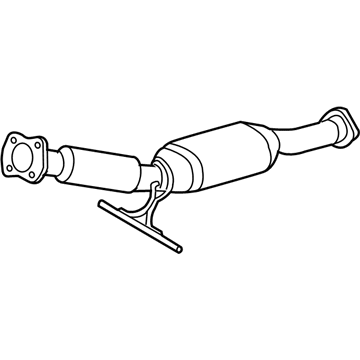
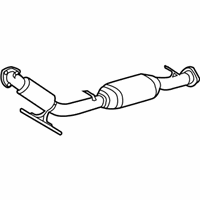
Volvo S40 Catalytic Converter Part Number: 8603599
$2446.93 MSRP: $2957.30You Save: $510.37 (18%)Ships in 1-2 Business Days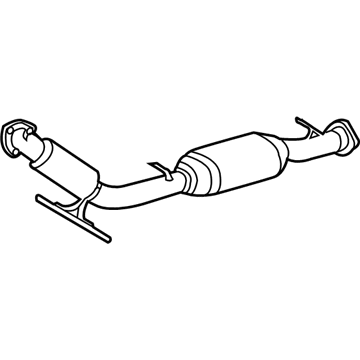
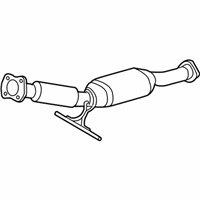
Volvo S40 Catalytic Converter Part Number: 8603600
$2502.45 MSRP: $3024.52You Save: $522.07 (18%)Ships in 1-2 Business DaysVolvo S40 Catalytic Converter Part Number: 36000617
$1784.65 MSRP: $2395.01You Save: $610.36 (26%)
Volvo S40 Catalytic Converter
Volvo S40 Catalytic Converter is applied as a pollution scrubber in the car that changes the toxic carbon monoxide, unburned hydrocarbons, and nitrogen oxides into harmless carbon dioxide, water, and nitrogen, and then the tailpipe emits them into the air. It accomplishes this clean-up within a metal shell that encases a honeycomb core covered with precious metals like platinum, palladium, and rhodium that accelerate the chemical reactions without being exhausted. The older designs on first-generation models and the early Volvo designs made use of loose ceramic beads to slow the exhaust gases so that the catalysts had time to fully expose themselves, whereas new honeycomb designs on the second-generation S40 models permit quicker flow and therefore reduce back pressure, letting the engine breathe more freely. Despite the similar purpose of both styles, the honeycomb design is lighter, more durable, and provides fewer restrictions compared to the bead-filled style. Any Catalytic Converter can be damaged by heat, poor fuel blends, coolant or oil spills, and even road debris, causing the inner substrate to melt and block the exhaust, triggering a check-engine light, rattling, damaging performance, and causing a failed emissions test. Volvo drivers will be able to recognize trouble when the car loses power or the exhaust smells unrefined. The Catalytic Converter, located below the car, needs to balance both cleaning and wear capacity, and current Volvo models, with their easy-spirited three-way chemistry and tough stainless-steel housing, have made the compact sedan line both spirited and eco-conscious.
OEM parts are the only choice for top quality and real functionality. They pass strict checks, and they match Volvo's factory specs, so installation is easy. If you need new Catalytic Converter and you want quality and fit. You will find both here. Our site has a wide range of OEM Volvo S40 parts. The prices are unbeatable, allowing you to get value for money. Each genuine S40 Catalytic Converter comes with the manufacturer's warranty. That gives you peace of mind. We ship fast to your door. Order today, and enjoy a smooth, no-hassle upgrade with parts that fit right.
Volvo S40 Catalytic Converter Parts and Q&A
- Q:What are the important considerations for maintaining a catalytic converter on Volvo S40?A:On petrol versions, a three way catalytic converter is used as part of the exhaust manifold and the front part of the exhaust pipe and on diesel versions an oxidation catalytic converter is fitted downstream of the turbocharger. This is a reliable and easy to use device that does not need maintenance, but there are several important considerations that owners should be aware of to ensure optimal functioning over the device's service life. Do not use leaded petrol or LRP as lead will coat the precious metals reducing the efficiency and ultimately destroying the converter. It is important to keep the ignition and fuel systems in accordance with the manufacturer's schedule. If there is a misfire in the engine, avoid driving the vehicle until the problem is fixed. Do not push- or tow-start the vehicle because this may soak the catalytic converter in unburned fuel, causing overheating when the engine starts. Do not turn off the ignition at high engine speeds, do not use additives to fuels and engine oil because they may contain harmful substances. If the engine burns oil to the point of emitting blue smoke that is visible, discontinue using the vehicle. Be aware that the catalytic converter reaches very hot temperatures so do not leave the vehicle parked in dry undergrowth, long grass or piles of dead leaves after a long run. Handle the catalytic converter with care because it is fragile and should not be hit with tools while servicing. A sulphurous odour similar to rotting eggs might be occasionally noticed emanating from the exhaust, which is common in many vehicles fitted with catalytic converters, and this should reduce after a few thousand miles and changing the brand of petrol may improve the problem. A well maintained and driven vehicle should get the catalytic converter to survive between 50,000 and 100,000 miles and if it is no good, it has to be replaced.
- Q:What are the essential facts owners should be aware of to ensure the proper functioning of a catalytic converter throughout its service life on Volvo S40?A:The catalytic converter is a reliable and simple device that does not require any maintenance by itself, there are however some facts that the owner should be aware of to ensure that it functions properly during its service life. It is crucial to maintain the fuel system well on a manufacturer's schedule. If the engine puts on a misfire, driving the car should be avoided until the problem is fixed. Pushing or tow starting the vehicle can cause unburned fuel to soak the catalytic converter causing it to overheat when the engine starts. Switching off the ignition at high engine speeds should also be avoided, as should the use of fuel or engine oil additives that can damage the converter. Continuing to use the vehicle while the engine burns oil in the form of visible blue smoke is not a good idea. The catalytic converter is a device that works at very high temperatures, therefore it is best to not allow the car to park in dry undergrowth, long grass or heaps of dead leaves after a long run. Additionally, the catalytic converter is delicate and should not be hit by tools when it is serviced. A sulphurous smell reminiscent of rotten eggs may sometimes be noticed emanating from the exhaust, which is common with many vehicles fitted with catalytic converters, this problem should usually resolve itself after a few thousand miles, and changing the brand of diesel may help in the meantime. A well-maintained and well-driven car should ensure that the catalytic converter will last from 50,000 to 100,000 miles, and if it starts to lose its effectiveness, it will have to be replaced.
Related Volvo S40 Parts
 Volvo S40 Exhaust Manifold
 Volvo S40 Catalytic Converter Gasket
 Volvo S40 Exhaust Clamp
 Volvo S40 Exhaust Flange Gasket
 Volvo S40 Exhaust Hanger
 Volvo S40 Exhaust Heat Shield
 Volvo S40 Exhaust Manifold Gasket
 Volvo S40 Exhaust Nut
 Volvo S40 Exhaust Pipe
 Volvo S40 Exhaust Tip
 Volvo S40 Muffler
 Volvo S40 Tail Pipe
Browse by Year
2011 Catalytic Converter 2010 Catalytic Converter
2009 Catalytic Converter
2008 Catalytic Converter
2007 Catalytic Converter
2006 Catalytic Converter
2005 Catalytic Converter
2004 Catalytic Converter