×
- Hello
- Login or Register
- Quick Links
- Live Chat
- Track Order
- Parts Availability
- RMA
- Help Center
- Contact Us
- Shop for
- Volvo Parts

My Garage
My Account
Cart
Genuine Volvo 780 Brake Booster
Brake Power Booster- Select Vehicle by Model
- Select Vehicle by VIN
Select Vehicle by Model
orMake
Model
Year
Select Vehicle by VIN
For the most accurate results, select vehicle by your VIN (Vehicle Identification Number).
1 Brake Booster found

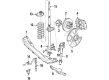
Volvo 780 Brake Booster Part Number: 3516093
$644.00 MSRP: $779.65You Save: $135.65 (18%)Ships in 1-2 Business Days
Volvo 780 Brake Booster
OEM parts are the only choice for top quality and real functionality. They pass strict checks, and they match Volvo's factory specs, so installation is easy. If you need new Brake Booster and you want quality and fit. You will find both here. Our site has a wide range of OEM Volvo 780 parts. The prices are unbeatable, allowing you to get value for money. Each genuine 780 Brake Booster comes with the manufacturer's warranty. That gives you peace of mind. We ship fast to your door. Order today, and enjoy a smooth, no-hassle upgrade with parts that fit right.
Volvo 780 Brake Booster Parts and Q&A
- Q:How to check the power brake function and carry out the removal and installation of the brake booster on Volvo 780?A:To check the power brake function, deprive it of vacuum by depressing the brake pedal about five times, then depress the brake pedal and start the engine - its position should drop slightly if functioning properly. For a pressure test of the system, brake pedal pressure should be applied for approximately 20 seconds and then high pedal pressure applied for 5 seconds. pedal position should not drop as a drop in the pedal position indicates brake fluid leakage or a booster vacuum leak. For removal and installation purposes, first disconnect the negative battery cable and then remove the master cylinder and disconnect the vacuum hose and check valve from the booster. If necessary, disconnect the fuel filler and the vacuum pump and place them out of the way. Inside the vehicle, remove the soundproofing and disconnect the brake pedal rod, remove the power booster retaining nuts and remove the power booster. Before the installation of the new booster check the valve seal and replace it if necessary, making sure that the flange of the seal is correctly positioned. For the 2 x 8 inch booster, place the sealing washer and seal on the booster and then place the booster back in the car. Reconnect the brake pedal to the booster rod, refit the soundproofing and install the master cylinder, check valve and vacuum hose. Finally, bleed the brakes and clutch if fitted, and reconnect the negative battery cable.
Related Volvo 780 Parts
 Volvo 780 ABS Relay
 Volvo 780 ABS Sensor
 Volvo 780 Brake Caliper
 Volvo 780 Brake Caliper Repair Kit
 Volvo 780 Brake Dust Shields
 Volvo 780 Brake Fluid Pump
 Volvo 780 Brake Line
 Volvo 780 Brake Master Cylinder Repair Kit
 Volvo 780 Brake Pads
 Volvo 780 Brake Rotor
 Volvo 780 Hydraulic Hose
 Volvo 780 Speed Sensor