×
- Hello
- Login or Register
- Quick Links
- Live Chat
- Track Order
- Parts Availability
- RMA
- Help Center
- Contact Us
- Shop for
- Volvo Parts

My Garage
My Account
Cart
Genuine Volvo V70 Camber and Alignment Kit
- Select Vehicle by Model
- Select Vehicle by VIN
Select Vehicle by Model
orMake
Model
Year
Select Vehicle by VIN
For the most accurate results, select vehicle by your VIN (Vehicle Identification Number).
22 Camber and Alignment Kits found
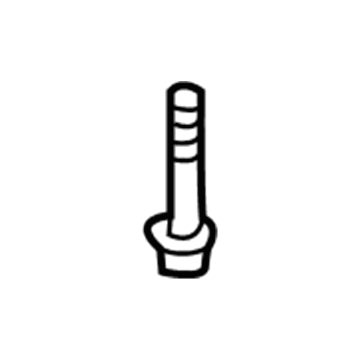
Volvo V70 Engine Cradle Bolt Part Number: 981534
$11.09 MSRP: $16.24You Save: $5.15 (32%)Ships in 1-2 Business Days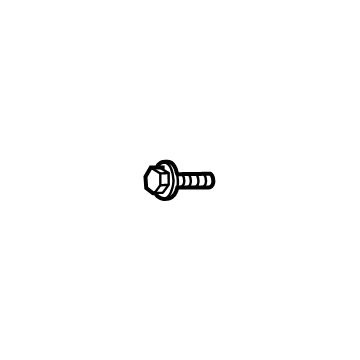
Volvo V70 Steering Column Lower Bolt Part Number: 985039
$2.96 MSRP: $3.80You Save: $0.84 (23%)Ships in 1-2 Business Days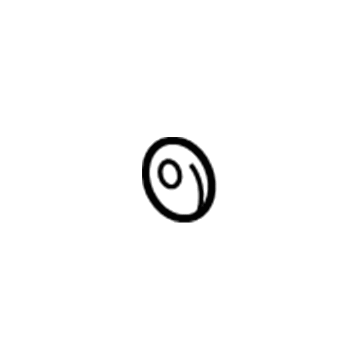
Volvo V70 Track Bar Adjust Cam Part Number: 31201493
$2.96 MSRP: $3.80You Save: $0.84 (23%)Ships in 1-2 Business Days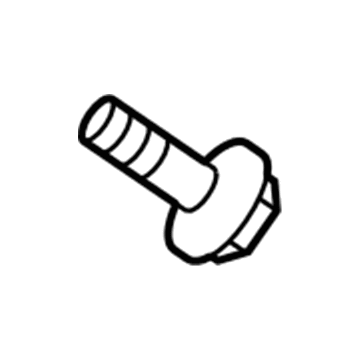
Volvo V70 Stabilizer Bar Bolt Part Number: 30741285
$2.96 MSRP: $3.80You Save: $0.84 (23%)Ships in 1-2 Business Days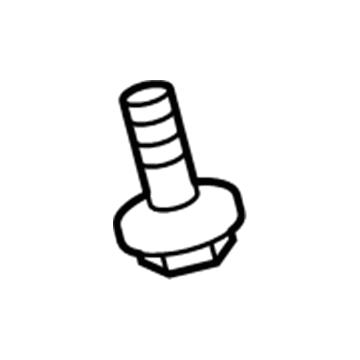
Volvo V70 Shock Bolt Part Number: 30624207
$2.96 MSRP: $3.80You Save: $0.84 (23%)Ships in 1-2 Business Days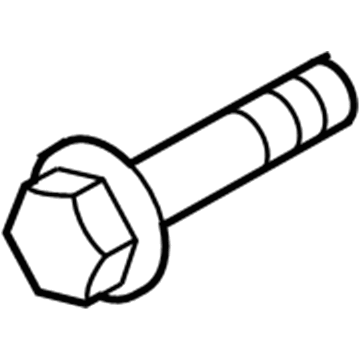
Volvo V70 Stabilizer Bar Bolt Part Number: 985214
$4.28 MSRP: $5.48You Save: $1.20 (22%)Ships in 1-2 Business Days
Volvo V70 Track Bar Bolt Part Number: 985057
$4.15 MSRP: $5.32You Save: $1.17 (22%)Ships in 1-2 Business Days
Volvo V70 Mount Bolt Part Number: 985226
$6.25 MSRP: $8.00You Save: $1.75 (22%)Ships in 1-2 Business Days
Volvo V70 Upper Control Arm Bolt Part Number: 982850
$6.25 MSRP: $8.00You Save: $1.75 (22%)Ships in 1-2 Business Days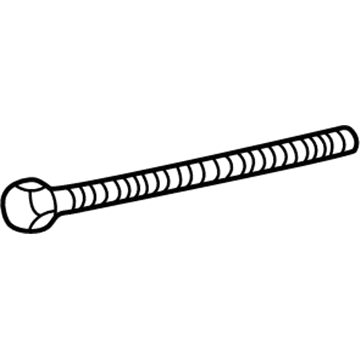
Volvo V70 Power Steering Pump Bolt Part Number: 982812
$6.25 MSRP: $8.00You Save: $1.75 (22%)Ships in 1-2 Business Days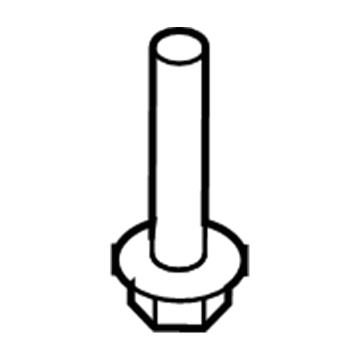
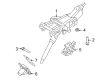
Volvo V70 Steering Column Bolt Part Number: 986938
$8.55 MSRP: $10.96You Save: $2.41 (22%)Ships in 1-2 Business Days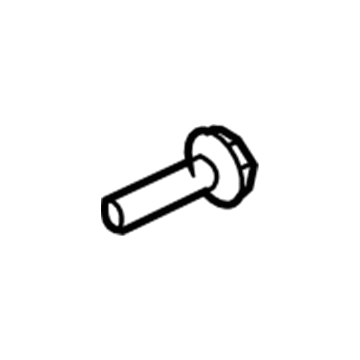
Volvo V70 Lower Control Arm Bolt Part Number: 982847
$8.55 MSRP: $10.96You Save: $2.41 (22%)Ships in 1-2 Business Days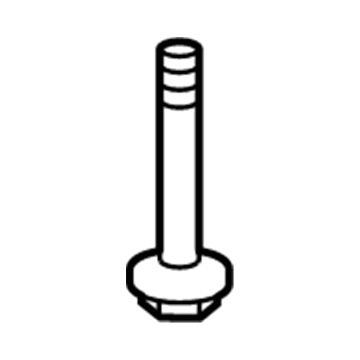
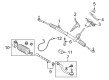
Volvo V70 Gear Assembly Mount Bolt Part Number: 30741269
$8.55 MSRP: $10.96You Save: $2.41 (22%)Ships in 1-2 Business Days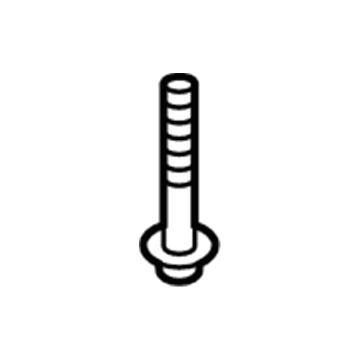
Volvo V70 Suspension Crossmember Front Bolt Part Number: 30723317
$8.55 MSRP: $10.96You Save: $2.41 (22%)Ships in 1-2 Business Days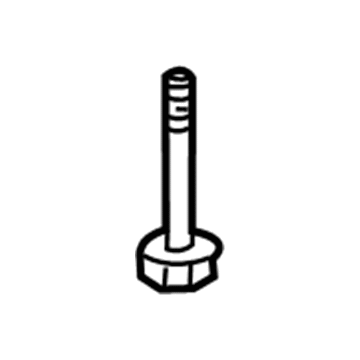
Volvo V70 Engine Cradle Bolt Part Number: 985111
$11.18 MSRP: $14.32You Save: $3.14 (22%)Ships in 1-2 Business Days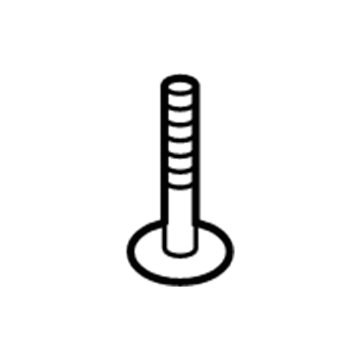
Volvo V70 Suspension Crossmember Front Bolt Part Number: 30776011
$11.18 MSRP: $14.32You Save: $3.14 (22%)Ships in 1-2 Business Days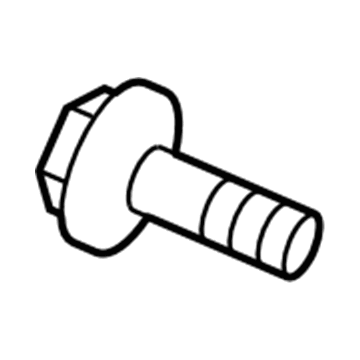
Volvo V70 Shock Lower Bolt Part Number: 999492
$14.15 MSRP: $18.12You Save: $3.97 (22%)Ships in 1-2 Business Days
Volvo V70 Track Bar Bolt Part Number: 986931
$14.15 MSRP: $18.12You Save: $3.97 (22%)Ships in 1-2 Business Days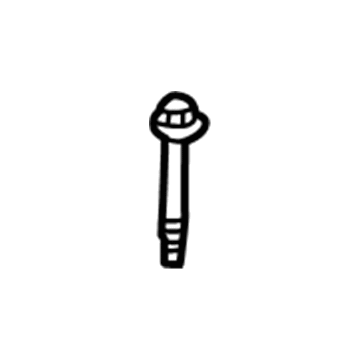
Volvo V70 Control Arm Bolt Part Number: 982849
$14.15 MSRP: $18.12You Save: $3.97 (22%)Ships in 1-2 Business Days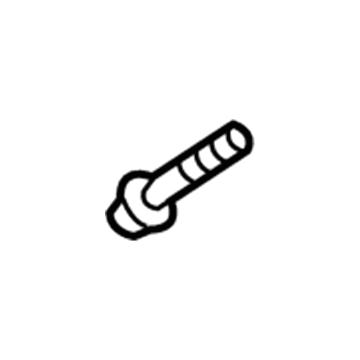
Volvo V70 Lower Control Arm Bolt Part Number: 985200
$3.79 MSRP: $4.44You Save: $0.65 (15%)Ships in 1-2 Business Days
| Page 1 of 2 |Next >
1-20 of 22 Results
Volvo V70 Camber and Alignment Kit
OEM parts are the only choice for top quality and real functionality. They pass strict checks, and they match Volvo's factory specs, so installation is easy. If you need new Camber and Alignment Kit and you want quality and fit. You will find both here. Our site has a wide range of OEM Volvo V70 parts. The prices are unbeatable, allowing you to get value for money. Each genuine V70 Camber and Alignment Kit comes with the manufacturer's warranty. That gives you peace of mind. We ship fast to your door. Order today, and enjoy a smooth, no-hassle upgrade with parts that fit right.
Volvo V70 Camber and Alignment Kit Parts and Q&A
- Q:What is the role of a Camber and Alignment Kit in defining a car's steering and suspension geometry on Volvo V70?A:A car's steering and suspension geometry is defined by four basic settings, expressed in degrees, camber, castor, steering axis inclination, and toe setting, with only the front camber and front and rear wheel toe settings being adjustable on the models discussed. Camber refers to the angle of the front wheels from the vertical when viewed from the front or rear, with negative camber indicating inward tilt at the top. The front camber angle is adjusted by loosening the Steering Knuckle-to-suspension strut mounting bolts and repositioning the hub carrier assemblies. Castor is the angle between the steering axis and a vertical line when viewed from the side, with positive castor indicating a rearward inclination at the top. Steering axis inclination is the angle between the vertical and an imaginary line drawn through the front suspension strut upper mounting and the control arm balljoint when viewed from the front. Toe setting measures the difference in distance between the front inside edges of the roadwheels and the diametrically opposite distance between the rear inside edges, with toe-in indicating inward pointing wheels and toe-out indicating outward splaying. The front wheel toe setting is adjusted by changing the length of the steering track rods, while the rear wheel toe setting is adjusted by altering the position of the rear suspension transverse arm-to-trailing arm mountings. Except for the front and rear toe settings and front camber angles, all other suspension and steering angles are set during manufacture, assuming they remain correct unless the vehicle has sustained accident damage. Special optical measuring equipment is required to accurately check and adjust the front and rear toe settings and front camber angles, and this work should be performed by a qualified dealer or expert, although many tyre-fitting centres can conduct at least a front wheel toe setting check for a nominal fee.
Related Volvo V70 Parts
 Volvo V70 Sway Bar Bushing
 Volvo V70 Axle Beam
 Volvo V70 Control Arm Nut
 Volvo V70 Front Cross-Member
 Volvo V70 Radius Arm Bushing
 Volvo V70 Shock and Strut Boot
 Volvo V70 Steering Knuckle
 Volvo V70 Strut Housing
 Volvo V70 Sway Bar Link
 Volvo V70 Track Bar
 Volvo V70 Trailing Arm
 Volvo V70 Trailing Arm Bushing
Browse by Year
2010 Camber and Alignment Kit 2009 Camber and Alignment Kit 2008 Camber and Alignment Kit 2007 Camber and Alignment Kit 2006 Camber and Alignment Kit 2005 Camber and Alignment Kit 2004 Camber and Alignment Kit 2003 Camber and Alignment Kit 2002 Camber and Alignment Kit 2001 Camber and Alignment Kit 2000 Camber and Alignment Kit 1999 Camber and Alignment Kit 1998 Camber and Alignment Kit