×
- Hello
- Login or Register
- Quick Links
- Live Chat
- Track Order
- Parts Availability
- RMA
- Help Center
- Contact Us
- Shop for
- Volvo Parts

My Garage
My Account
Cart
Genuine Volvo 960 Camber and Alignment Kit
- Select Vehicle by Model
- Select Vehicle by VIN
Select Vehicle by Model
orMake
Model
Year
Select Vehicle by VIN
For the most accurate results, select vehicle by your VIN (Vehicle Identification Number).
4 Camber and Alignment Kits found
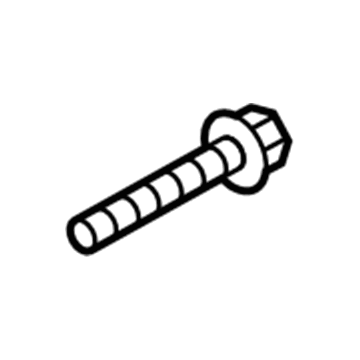
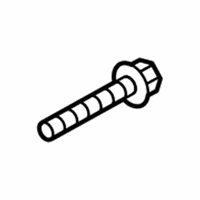
Volvo 960 Lower Control Arm Bolt Part Number: 30640924
$6.25 MSRP: $8.00You Save: $1.75 (22%)Ships in 1-2 Business Days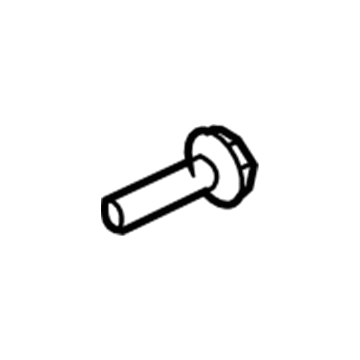
Volvo 960 Lower Control Arm Bolt Part Number: 982847
$8.55 MSRP: $10.96You Save: $2.41 (22%)Ships in 1-2 Business Days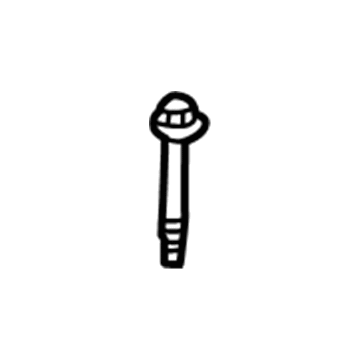
Volvo 960 Control Arm Bolt Part Number: 982849
$14.15 MSRP: $18.12You Save: $3.97 (22%)Ships in 1-2 Business Days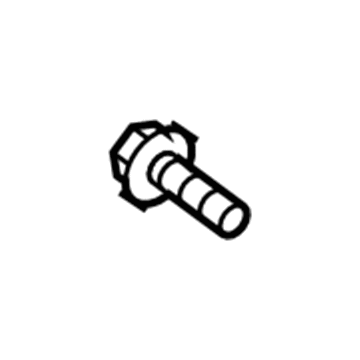
Volvo 960 Adjuster Screw Part Number: 988187
$3.33 MSRP: $3.90You Save: $0.57 (15%)Ships in 1-2 Business Days
Volvo 960 Camber and Alignment Kit
OEM parts are the only choice for top quality and real functionality. They pass strict checks, and they match Volvo's factory specs, so installation is easy. If you need new Camber and Alignment Kit and you want quality and fit. You will find both here. Our site has a wide range of OEM Volvo 960 parts. The prices are unbeatable, allowing you to get value for money. Each genuine 960 Camber and Alignment Kit comes with the manufacturer's warranty. That gives you peace of mind. We ship fast to your door. Order today, and enjoy a smooth, no-hassle upgrade with parts that fit right.
Volvo 960 Camber and Alignment Kit Parts and Q&A
- Q:How does a Camber and Alignment Kit affect the essential steps to check wheel alignment and its impact on vehicle handling on Volvo 960?A:If the tires are worn unevenly, the vehicle is unstable on the highway or the handling is uneven during spirited driving, it is essential that you check the wheel alignment. Begin by checking for the wrong tire pressure and other causes, such as worn parts of the suspension or steering, accident damage, or unmatched tires. Any kind of worn or damaged components must be replaced before proper wheel alignment can happen. This process requires expensive equipment and precise adjustments so it should only be done by a trained technician at a properly equipped shop. The angles that are adjustable on most vehicles are caster, camber and toe, angles whose predominant effect is on vehicle handling. Caster angle, viewed from the side, describes the steering axis and positive caster improves directional stability but too much positive caster will make steering difficult. Camber, when viewed from the front, is the tilting of the wheels, negative camber can lead to better contact of the tires on turns but too much can lead to a lack of straight line stability. Toe angle - seen from above, this is a measure of how far apart the front and back of the wheels are; a little negative toe can increase stability as well as give a smoother ride on the highway.
Related Volvo 960 Parts
 Volvo 960 Axle Beam Mount
 Volvo 960 Axle Pivot Bushing
 Volvo 960 Axle Support Bushings
 Volvo 960 Ball Joint
 Volvo 960 Bump Stop
 Volvo 960 Control Arm Bushing
 Volvo 960 Shock Absorber
 Volvo 960 Steering Knuckle
 Volvo 960 Strut Housing
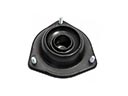 Volvo 960 Strut Mounts
 Volvo 960 Sway Bar Link Bushing
 Volvo 960 Trailing Arm Bushing